Understanding Classic Volkswagen Air-Cooled Engines
Classic Volkswagen vehicles, especially those from the mid-20th century, are renowned for their iconic air-cooled engines. These engines, which power beloved models like the Beetle and the Bus, have unique characteristics that set them apart from their water-cooled counterparts. Understanding the intricacies of air-cooled engines is essential for any enthusiast or owner looking to maintain or restore these vintage automobiles. When exploring options, http://www.aircooledapps.com provides comprehensive insights into maintaining these classic vehicles.
What Makes Air-Cooled Engines Unique?
Air-cooled engines, as the name suggests, utilize air rather than water to regulate engine temperature. This design is not only simpler but also lighter, making it ideal for small vehicles. Key features include:
- Lightweight Design: The absence of a heavy water radiator system contributes to lower vehicle weight.
- Reliability: Fewer parts mean less potential for failure, especially in simple designs.
- Ease of Maintenance: With less complexity, routine maintenance often requires fewer tools and less knowledge.
Common Issues and Maintenance Challenges
While air-cooled engines are robust, they can encounter specific issues that require attention:
- Overheating: These engines are more susceptible to overheating due to their reliance on ambient air. Regular inspections of air intakes and cooling fins are crucial.
- Oil Leakage: Aging seals and gaskets can lead to oil leaks, necessitating regular checks and replacements.
- Misfiring: Spark plug and ignition system issues can lead to misfiring, affecting performance.
Essential Tools for Engine Maintenance
To effectively maintain a classic Volkswagen air-cooled engine, certain tools are indispensable:
- Torque Wrench: Essential for ensuring proper tightening of engine components.
- Compression Tester: Used to assess engine health by measuring cylinder pressure.
- Oil Filter Wrench: Necessary for easy oil changes and maintenance.
Essential Maintenance for Classic Volkswagens
Regular maintenance is vital for any classic vehicle, particularly for air-cooled Volkswagens. These practices not only ensure performance but also prolong the life of the engine.
Regular Oil Changes and Their Importance
Changing the oil at regular intervals is one of the simplest yet most effective maintenance tasks. Fresh oil lubricates engine components, reducing wear and helping to prevent overheating. Recommended intervals range from every 3,000 to 5,000 miles, depending on usage.
Inspecting and Maintaining the Cooling System
The cooling system in air-cooled engines is integral to preventing overheating. Regularly inspect the cooling fins and ensure that air intake areas are free from debris. Cleaning these parts can significantly improve the thermal efficiency of the engine.
Identifying and Solving Common Electrical Issues
Electrical systems in classic Volkswagens can be prone to faults, given their age. Check the battery connections, ignition system, and wiring for signs of wear or corrosion. Regular testing of the electrical system can prevent unexpected breakdowns.
Performance Upgrades for Classic Volkswagen Models
While classic Volkswagens are celebrated for their authenticity, performance upgrades can enhance their drivability without compromising their vintage appeal.
Simple Modifications for Improved Performance
Upgrades such as installing a high-performance exhaust system or a different air intake can improve engine output. Additionally, a carburetor upgrade can enhance fuel efficiency and performance.
Choosing the Right Parts for Upgrades
When selecting parts for performance upgrades, it's vital to choose high-quality components from reputable suppliers. Original Equipment Manufacturer (OEM) parts are often recommended for preserving authenticity.
Balancing Performance and Authenticity
Many enthusiasts aim to maintain the classic aesthetic while enhancing performance. Careful consideration of any modifications is essential to ensure the vehicle retains its historical value.
Community and Resources for Classic VW Enthusiasts
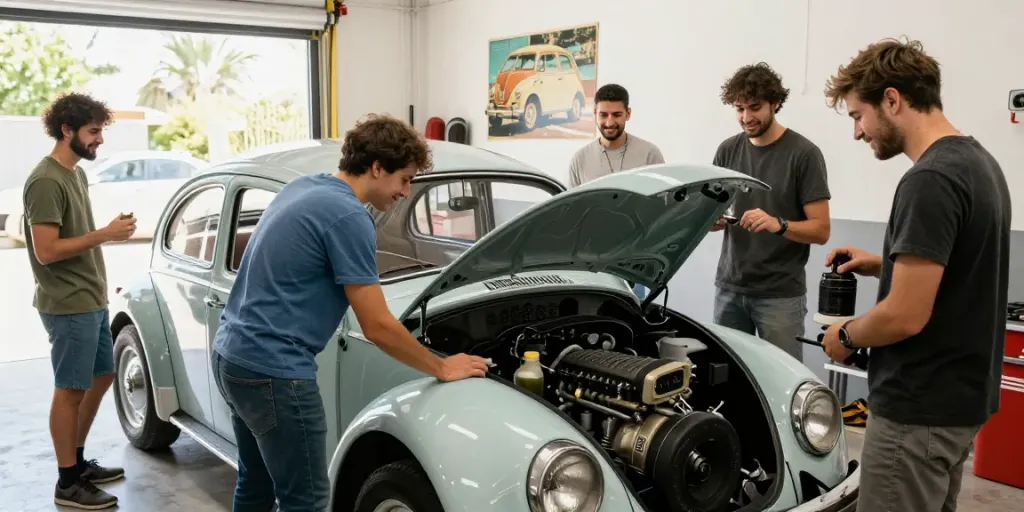
Being part of a community can significantly enrich the experience of owning a classic Volkswagen. Whether through clubs or online forums, connecting with fellow enthusiasts can provide valuable knowledge and resources.
Joining Local Clubs and Online Communities
Local Volkswagen clubs often host events, workshops, and meets, allowing enthusiasts to share knowledge and tips. Online forums also serve as a great platform to seek advice and connect with others passionate about air-cooled vehicles.
Finding Reliable Parts Suppliers
Finding quality parts for maintenance and upgrades is crucial. Many specialty suppliers focus on vintage Volkswagens, ensuring that enthusiasts have access to the parts they need for restoration and upkeep.
Attending Classic Car Shows and Events
Car shows provide an excellent opportunity to see other classic vehicles, exchange tips, and connect with potential sources for parts and services. Attending events can inspire new projects and foster friendships within the community.
Future Trends in Classic Volkswagen Restoration
As car restoration evolves, so do the technologies and practices utilized by enthusiasts. Staying informed about trends can help maintain vehicles effectively and responsibly.
Innovative Technologies for Restoration
From 3D printing for custom parts to digital diagnostic tools, innovative technologies are reshaping the world of classic car restoration. These advancements can significantly ease the restoration process.
Eco-Friendly Practices in Car Maintenance
As the automotive industry recognizes environmental concerns, many classic car enthusiasts are adopting sustainable practices. Using biodegradable cleaning products and considering renewable energy sources for maintenance can contribute to a more eco-friendly approach.
The Evolution of Classic Car Documentation and Resources
Digital resources and databases have emerged, offering comprehensive documentation for classic Volkswagen models. This access to information can be invaluable for restoration projects, providing insights into original specifications and manufacturing details.
What Tools are Essential for Classic Volkswagen Maintenance?
Essentials include a good set of wrenches, screwdrivers, and specialty tools specific to Volkswagen engines, such as the valve adjustment tool and flywheel lock. Investing in these tools will make maintenance more manageable and effective.
How Can Upgrades Affect the Value of My Volkswagen?
Performance upgrades can either enhance or detract from your vehicle's value, depending on their nature and execution. Modifications that are reversible or maintain original aesthetics tend to preserve value better.
What Are the Best Online Resources for VW Maintenance?
Numerous online resources provide guides, manuals, and community support for Volkswagen maintenance. Websites like http://www.aircooledapps.com offer insights into maintaining and troubleshooting air-cooled models.
Why Join a Community for Classic Car Enthusiasts?
Communities offer a wealth of shared knowledge and experiences. By engaging with fellow enthusiasts, one can gain insights into effective maintenance practices, learn from others’ mistakes, and find encouragement in restoration projects.
What Are the Common Mistakes in Volkswagen Maintenance?
Common pitfalls include neglecting routine checks, using improper fluids, and overlooking small leaks that can lead to larger issues. Awareness and education about proper maintenance strategies are key to avoiding these mistakes.