The Future of Tech Workspaces
As we move towards 2026, the landscape of tech workspaces is undergoing a transformation driven by advancements in technology, shifts in workforce dynamics, and changing employee expectations. Modern workplaces are no longer defined solely by physical spaces; they embrace hybrid models, incorporate innovative technologies, and prioritize employee well-being. Understanding these components is essential for organizations aiming to thrive in the competitive tech industry. In this article, we will explore the evolution of these spaces, the impact of remote work, and the tools necessary to foster a collaborative environment.
Overview of Modern Tech Environments
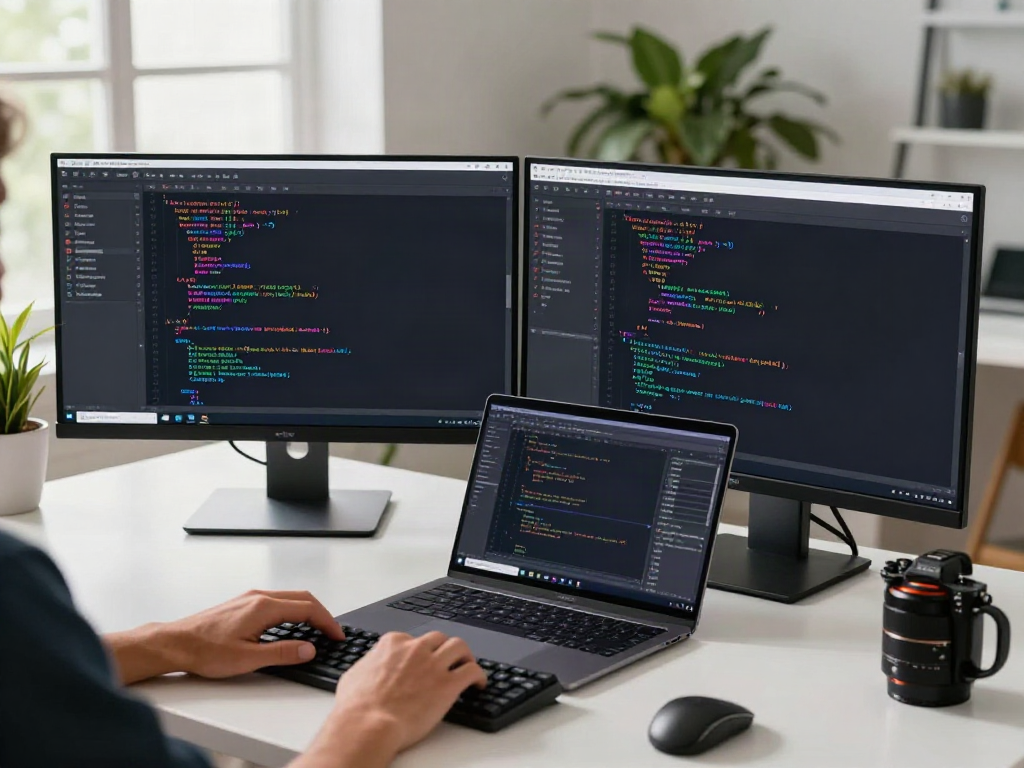
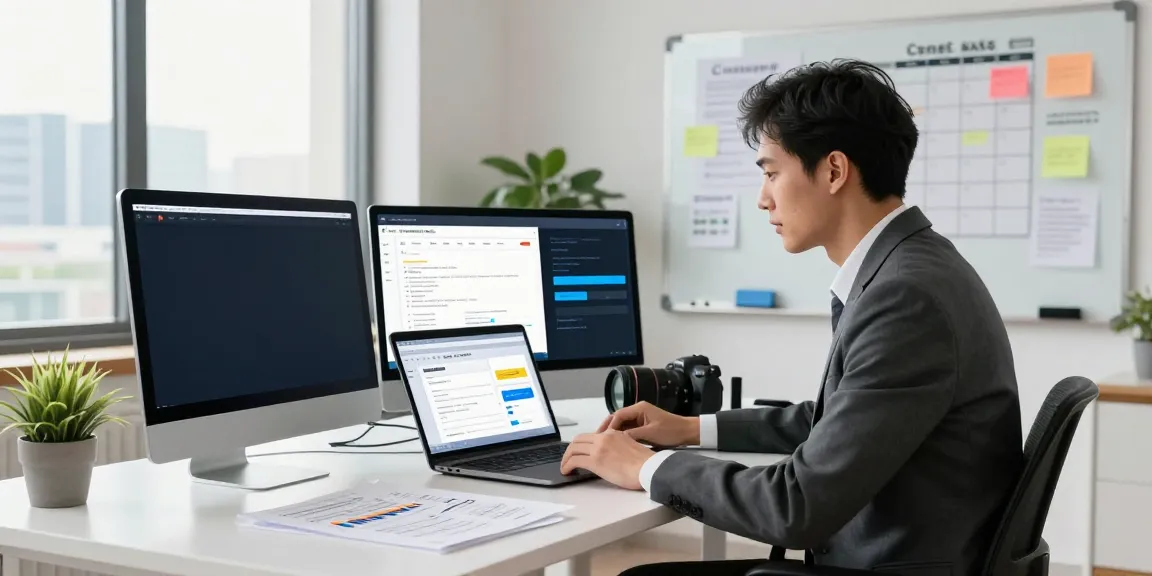
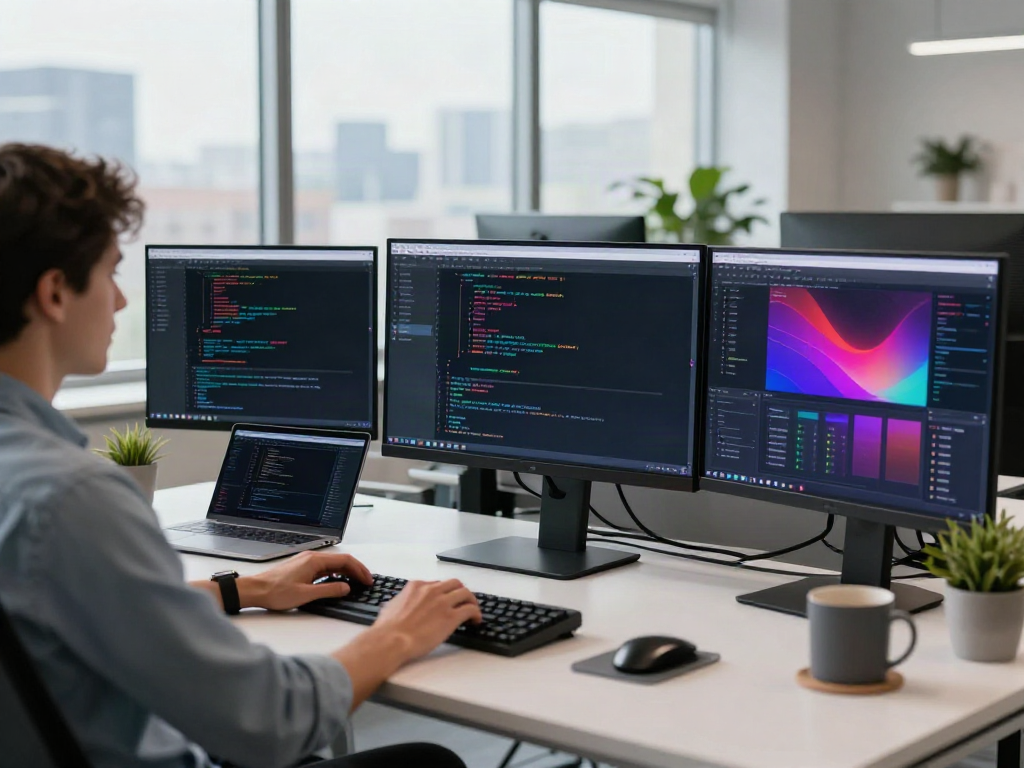
The tech workspace of today is characterized by flexibility and adaptability. Gone are the days of rigid cubicles and formal meeting rooms. Instead, companies are adopting open floor plans, collaborative areas, and remote work options. These environments are designed to promote creativity and collaboration, allowing teams to work together seamlessly, whether they are in the office or working from home.
In this context, a company like https://www.bdtjl.app/ provides valuable insights into emerging trends and tools that can enhance workplace collaboration. Innovative tech solutions are being integrated not just to facilitate work but to create environments that cater to the diverse needs of employees.
Key Trends in Office Design for 2026
As we look ahead, several key trends are shaping the design of tech workspaces. These include:
- Biophilic Design: Integrating natural elements into office design helps reduce stress and improve employee well-being.
- Enhanced Collaboration Zones: Spaces specifically designed for teamwork, equipped with advanced technology, are vital for fostering innovation.
- Health and Wellness Focus: With an emphasis on ergonomics and mental health, more companies are prioritizing employee comfort and accessibility in their space planning.
- Sustainability: Eco-friendly materials and energy-efficient designs are becoming industry standards as companies aim to reduce their carbon footprint.
Impact of Remote Work on Workspace Planning
The rise of remote work has irrevocably changed how organizations approach workspace planning. Many businesses are transitioning towards hybrid models that offer flexibility, allowing employees to work from home or the office according to their needs. This shift necessitates a reevaluation of physical office spaces, as companies must now accommodate spontaneous collaboration while maintaining a sense of community among remote workers.
Collaboration Tools for Enhanced Productivity
Effective collaboration tools have become essential in bridging the gap between remote and in-office teams. The right technology can enhance communication, streamline project management, and boost overall productivity. With the ongoing evolution of workspaces, companies must invest in technologies that not only facilitate collaboration but also foster engagement.
Essential Technologies for Team Communication
Communication tools such as Slack, Microsoft Teams, and Zoom have become staples in the tech industry. These platforms enable teams to stay connected, share updates, and collaborate in real-time, regardless of location. Importantly, companies must periodically assess their communication tools to ensure they meet the evolving needs of their workforce.
Choosing the Right Project Management Software
Project management software like Asana, Trello, and Monday.com is crucial for organizing tasks and managing workflows. When selecting a platform, teams should consider user-friendliness, scalability, and integration capabilities with other tools. The right project management system can improve transparency and accountability across projects, leading to more successful outcomes.
Integrating AI Tools for Efficiency
Artificial Intelligence (AI) tools are increasingly being integrated into workplace processes to enhance efficiency. From automating repetitive tasks to providing data-driven insights, AI can help teams focus on higher-value activities. Organizations should explore AI solutions that align with their business goals and enhance collaboration.
Best Practices for Effective Meetings
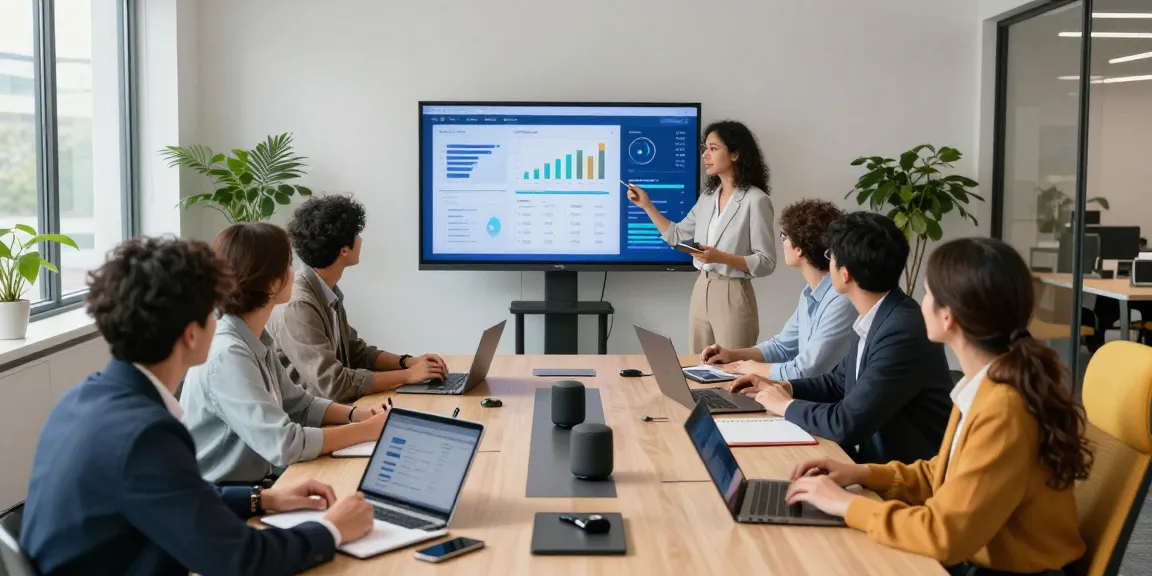
Meetings remain a vital aspect of team collaboration, particularly in a hybrid work environment. However, ensuring they are productive and engaging requires strategic planning and execution. By following best practices, organizations can maximize the effectiveness of their meetings.
Preparing for Successful Collaborative Sessions
Effective meetings start with preparation. Outlining clear objectives, creating agendas, and assigning roles can significantly improve meeting outcomes. Additionally, utilizing collaborative tools allows teams to share resources and ideas in real-time, enhancing engagement.
Engaging Remote Participants in Discussions
When conducting hybrid meetings, it’s crucial to create an inclusive environment that engages both in-person and remote participants. Techniques such as encouraging active participation, utilizing breakout rooms, and leveraging interactive tools can bridge the gap between remote and in-person attendees.
Measuring Meeting Effectiveness and Outcomes
Organizations should implement metrics to evaluate meeting effectiveness. This could include gathering participant feedback, assessing whether meeting objectives were met, and tracking action item completion. By measuring outcomes, companies can continuously improve their meeting processes.
Cultural Considerations in Tech Workspaces
Culture plays a fundamental role in shaping the dynamics of tech workspaces. A positive and inclusive culture fosters collaboration, drives innovation, and enhances employee satisfaction. However, achieving this requires intentional effort from leadership and management.
Fostering Inclusivity and Diversity
Creating an inclusive workplace begins with embracing diversity at all levels. Companies should implement policies and practices that promote equal opportunities, support underrepresented groups, and create an environment where every employee feels valued and empowered.
Building a Collaborative Company Culture
A collaborative culture encourages open communication, shared goals, and teamwork. Organizations can foster this culture by promoting transparency, celebrating team successes, and providing opportunities for cross-functional collaboration.
Challenges of Cultural Integration in Tech
As companies grow and evolve, they often face challenges in integrating diverse cultures, particularly in remote work environments. Leadership must address these challenges proactively, ensuring that every employee feels connected to the company’s mission and values.
Looking Ahead: The Evolution of Collaboration
The future of collaboration in tech workspaces is set to be shaped by various technological advancements and shifting employee expectations. As organizations navigate these changes, it’s crucial to remain agile and responsive to the needs of the workforce.
Future Technologies Shaping the Workspace
Emerging technologies, such as virtual reality (VR) and augmented reality (AR), have the potential to revolutionize collaboration. These tools can create immersive environments for meetings and team-building activities, allowing for richer interactions among team members, regardless of their physical location.
Trends in Employee Preferences for 2026
As we move towards 2026, employees increasingly value flexibility and work-life balance. Organizations that offer flexible work arrangements, mental health support, and opportunities for professional development will be better positioned to attract and retain top talent.
Success Indicators for Collaborative Environments
To measure the success of collaborative environments, companies should focus on key performance indicators (KPIs) such as employee engagement levels, project completion rates, and overall productivity. Regularly monitoring these metrics will help organizations identify areas for improvement and celebrate successes.
What are the key elements of a successful tech workspace?
Successful tech workspaces incorporate flexibility, collaboration, technology integration, and a culture of inclusivity. These elements are essential in creating an environment where teams can thrive.
How can collaboration tools improve team effectiveness?
Collaboration tools enhance communication, streamline processes, and foster engagement among team members, leading to improved productivity and project outcomes.
What future trends should companies anticipate in office design?
Companies should anticipate trends such as biophilic design, enhanced collaboration zones, a focus on sustainability, and health and wellness considerations in office design.
How does culture impact collaboration in tech environments?
A positive company culture fosters open communication, trust, and collaboration, which are critical for the success of tech teams.
What metrics can be used to measure success in tech workspaces?
Organizations can measure success through employee engagement scores, project completion rates, meeting effectiveness, and overall productivity metrics.. Additionally, bdtjl.app provides further details.