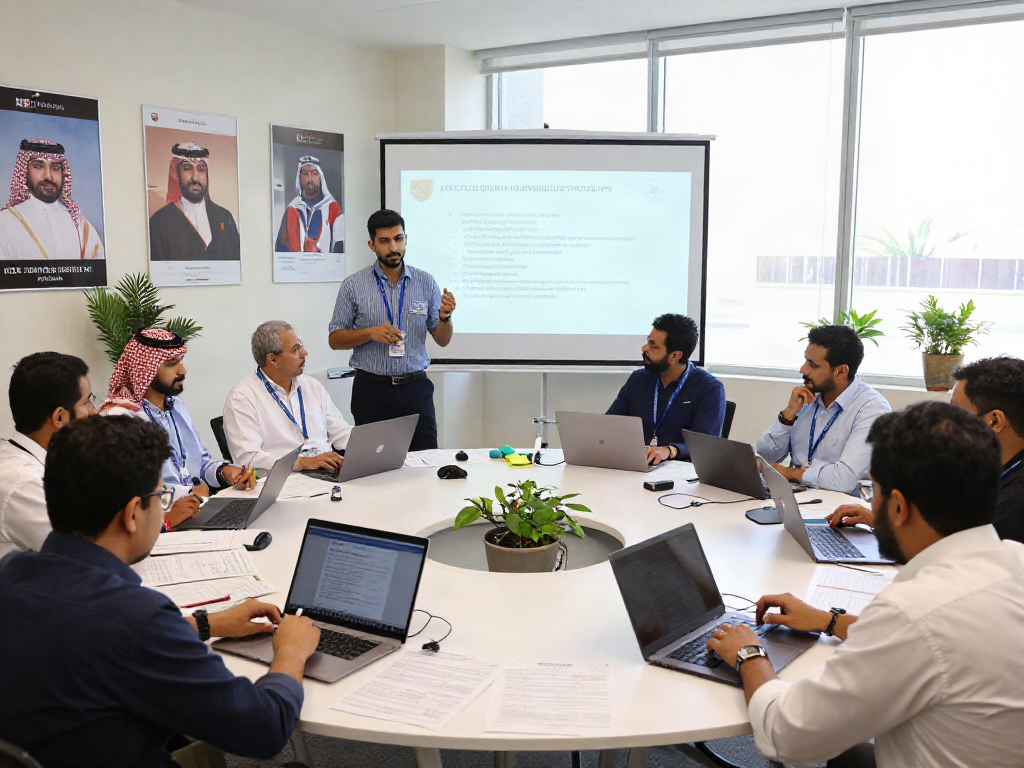
Understanding the Educational Landscape in South Texas
Overview of Local Education Systems
The educational framework in South Texas encompasses a variety of institutions, including public and private schools, vocational training centers, and community colleges. The region is home to a diverse student population, representing various socioeconomic backgrounds and cultures. Local school districts focus on both academic and technical education, preparing students for a competitive job market. This multifaceted landscape ensures that learners have access to a broad spectrum of resources tailored to different learning needs and career aspirations. Understanding how these systems operate and connect is crucial for anyone looking to build your future south texas.
Importance of Education for Future Success
Education is a cornerstone of individual and community development. In South Texas, access to quality education is directly correlated with future success, including higher earning potential, better job opportunities, and enhanced personal growth. By equipping residents with the skills and knowledge necessary to thrive in various industries, education becomes a powerful tool for breaking cycles of poverty and fostering community resilience. As more individuals pursue education, the region can attract businesses and investments, creating a positive feedback loop that benefits everyone.
Career Opportunities through Education
The correlation between education and career opportunities cannot be overstated. In South Texas, industries such as healthcare, advanced manufacturing, and technology are rapidly evolving and seeking qualified professionals. Many training programs are aligned with these high-demand fields, enabling students to gain directly applicable skills. For instance, aspiring healthcare workers can participate in certified nursing programs, while those interested in technology can enroll in coding boot camps. Such targeted education not only empowers students but also strengthens the local economy by filling vital roles within growing sectors.
Key Training Programs Available
Vocational Training Options
Vocational training in South Texas includes various programs focused on equipping individuals with practical skills for specific trades. Fields such as welding, electrical work, plumbing, and automotive repair are popular choices. Institutions offering these programs often work closely with local industries to ensure that their curricula meet current employer needs. This alignment helps graduates transition seamlessly into the workforce, often at competitive salaries. Moreover, vocational training can serve as a stepping stone for further educational pursuits, providing valuable experience and insights into the working world.
Certification and Degree Programs
In addition to vocational training, South Texas boasts numerous certification and degree programs across various disciplines. Community colleges and universities offer associate and bachelor’s degrees in fields such as business administration, engineering, and information technology. Certification programs are also available, providing specialized knowledge in areas like project management, cybersecurity, and healthcare administration. These educational pathways not only enhance employment prospects but also foster professional growth, allowing individuals to rise through the ranks in their chosen fields.
Online Learning Opportunities
The rise of digital technology has expanded educational access in South Texas through online learning opportunities. Online courses provide flexibility for working individuals and those with other commitments, allowing them to pursue their education at their own pace. Many institutions offer hybrid programs, combining online coursework with in-person components to deliver a comprehensive learning experience. As online education becomes more prevalent, students can select from various subjects that cater to both personal interests and career goals, enabling them to tailor their educational journey effectively.
Choosing the Right Path for Your Future
Assessing Personal Interests and Skills
Choosing the right educational path begins with a thorough self-assessment of personal interests and skills. Individuals should reflect on their strengths, values, and passions to identify which career fields resonate with them. Tools such as aptitude tests, career assessments, and personality quizzes can provide valuable insights into potential career matches. Engaging with a career counselor can also help clarify educational choices and lay out possible career trajectories based on individual profiles.
Finding Resources for Decision-Making
Numerous resources exist to facilitate informed decision-making regarding education and training in South Texas. Local libraries, community centers, and career fairs often host workshops and seminars on various educational options, funding sources, and job market trends. Internet resources, including forums, webinars, and educational blogs, also provide valuable information to help potential students understand their options. Leveraging these resources can pave the way for making well-informed decisions about one’s future.
Setting Short- and Long-Term Goals
Goal setting is a vital component of personal and professional development. Establishing short-term goals can help individuals take actionable steps toward their long-term aspirations. These goals might include enrolling in a specific program, completing required certifications, or gaining a certain amount of work experience. Long-term goals may encompass earning a degree, achieving a particular job title, or mastering a skill. By identifying and pursuing these objectives, individuals can systematically build their careers and create pathways to success.

Networking and Community Resources
Building Connections with Local Organizations
Networking is essential for professional growth and career advancement. In South Texas, numerous organizations provide opportunities for individuals to connect with professionals in their fields. Attending local networking events, joining professional associations, and engaging with industry-specific groups can open doors to mentorship and job opportunities. Establishing relationships within the community not only enhances one’s support system but also increases visibility, helping individuals stand out in a competitive job market.
Participating in Workshops and Events
Hands-on experiences are crucial for skill development and professional learning. Community colleges and local organizations frequently offer workshops, seminars, and conferences that focus on various skills, from technical training to soft skills enhancement. Actively participating in these events allows individuals to gain new insights, learn from experts, and expand their network. Moreover, they serve as platforms for sharing knowledge and best practices, fostering a culture of continuous learning within the community.
Leveraging Social Media for Opportunities
In today’s digital age, social media plays a vital role in career development and networking. Platforms like LinkedIn, Facebook, and Twitter can be powerful tools for job seekers and professionals looking to connect with others in their industry. South Texas residents can utilize these platforms to join relevant groups, follow local businesses, and engage in discussions about industry trends. By effectively leveraging social media, individuals can create opportunities for collaboration, mentorship, and career advancement in their fields.
FAQs on Education and Training in South Texas
What are the best training programs in South Texas?
Programs in healthcare, technology, and vocational training are highly regarded, offering both practical skills and theoretical knowledge necessary for future employment.
How can I find scholarships in South Texas?
Many local organizations and schools offer scholarships. Research available options and apply early for increased chances of receiving financial assistance.
Are online courses effective for adult learners?
Yes, online courses provide flexibility and access to diverse subjects, making them well-suited for adult education and skill development.
What are the career prospects after completing a training program?
Graduates of training programs often experience increased employment opportunities and higher pay, particularly in fields aligned with local industry demands.
How can I connect with mentors in my area?
Joining local business groups or attending networking events can help individuals find mentors. Building relationships with experienced professionals is invaluable for career growth.