Understanding Poster Making Machines
In recent years, the demand for high-quality printed materials has surged, particularly in the realms of marketing, education, and event promotion. Central to this growing need are Poster Making Machines, which have revolutionized the way posters are created. These machines offer unrivaled convenience and efficiency, allowing businesses and individuals to produce stunning visuals with minimal effort. In this article, we will delve into the world of poster making machines, exploring their features, functionality, and the innovative techniques that can enhance your poster design.
What are Poster Making Machines?
Poster making machines are specialized printing devices designed to produce high-quality posters in various sizes and designs. They are equipped with advanced printing technologies, ensuring vibrant colors, sharp images, and intricate details. Unlike traditional printers, these machines can handle large-format printing, which is essential for creating eye-catching displays for events, exhibitions, and presentations.
These machines come in various forms, from compact models suitable for small offices to larger industrial-grade printers capable of handling bulk production. They typically utilize either inkjet or laser technology, each offering distinct advantages depending on the intended application.
Key Features to Consider When Choosing
Choosing the right poster making machine can be daunting, given the range of options available. Here are key features to consider:
- Print Quality: Look for machines that offer high resolution (at least 1200 dpi) for sharp and vibrant prints.
- Print Speed: If you anticipate high-volume production, choose a machine with a fast printing speed.
- Media Compatibility: Ensure the machine can handle various media types including glossy paper, vinyl, and canvas.
- Connective Options: Look for machines with USB, Ethernet, and Wi-Fi capabilities for seamless integration with your workflow.
- Size and Weight: Consider your workspace when selecting a model, especially for larger machines that may require dedicated space.
Comparative Analysis of Popular Models
Several brands dominate the market for poster making machines, each offering unique strengths. Below is a comparative analysis of some popular models:
- Epson SureColor P600: Known for its exceptional color accuracy and wide color gamut, it’s ideal for photographs and detailed graphics.
- Canon imagePROGRAF PRO-1000: This model features a 12-color LUCIA PRO ink system for professional-quality prints, making it a favorite among artists and photographers.
- HP DesignJet T210: It offers a compact design while still delivering professional-quality prints, making it suitable for both small offices and home use.
Innovative Techniques for Effective Poster Design
Creating effective posters goes beyond just printing. The design process is crucial for ensuring that your posters communicate their intended messages clearly and attractively. Here are some innovative techniques to enhance your poster design.
Utilizing Templates and Custom Graphics
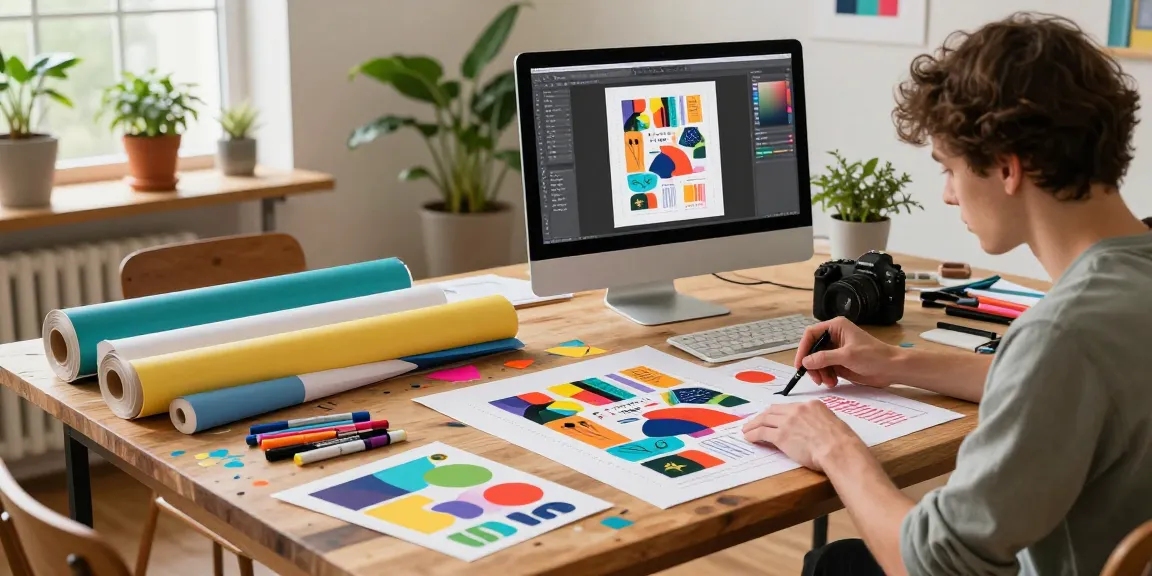
Starting with templates can speed up the design process significantly. Many design software options, such as Adobe Illustrator and Canva, offer pre-made templates tailored for various poster sizes and themes. Custom graphics can also elevate your designs by adding a unique touch—consider hiring a designer or using graphic design platforms to develop original visuals.
Color Theory and Typography Essentials
Understanding color theory is fundamental to effective design. Colors evoke emotions and can influence a viewer's perception of your message. Pairing colors that complement each other enhances visual appeal. Similarly, typography plays a crucial role in conveying information clearly. Use fonts that are legible and appropriate for your intended audience; limit your choices to two or three types to maintain consistency.
Incorporating User Feedback into Designs
User feedback is invaluable in the design process. Conduct surveys or focus groups to understand what resonates most with your target audience. Implementing user suggestions can lead to more engaging and effective designs that capture attention and convey messages effectively.
Best Practices for Poster Production
Once the design is finalized, the production stage begins. Ensuring that the final product meets quality standards is paramount. Here are best practices for efficient poster production.
Materials and Equipment Needed
Your choice of materials can significantly impact the quality of the final product. Use high-quality paper or vinyl that is compatible with your poster making machine. Various finishes, such as matte or gloss, can also affect the poster's appearance. Additionally, ensure your equipment, including your printer and cutting tools, are well-maintained and calibrated for optimal performance.
Step-by-Step Production Process
- Design Preparation: Ensure your design files are the correct size and format (commonly PDF or TIFF).
- Print Setup: Load the appropriate paper and configure the printer settings based on the material used.
- Proofing: Always print a small proof to check for color accuracy and design alignment.
- Final Printing: Once everything checks out, proceed with the final print.
- Finishing Touches: Add any finishes such as lamination or mounting if required.
Quality Control Measures for Final Products
Implementing quality control measures throughout the production process is essential. Create a checklist to ensure all aspects meet your standards. Regularly inspect printed materials for defects, color discrepancies, or misalignment.
Case Studies of Successful Poster Campaigns
Learning from successful poster campaigns can provide insights into effective strategies. Here, we analyze iconic posters and what made them successful.
Analysis of Iconic Posters in History
Many iconic posters, such as the "Uncle Sam Wants You" by James Montgomery Flagg, have left a lasting impact. Factors contributing to their success include strong imagery, bold typography, and clear messaging aimed at engaging the audience.
Impact of Digital vs. Traditional Techniques
Digital techniques offer flexibility and efficiency, while traditional methods often evoke nostalgia and authenticity. Campaigns that combine both techniques can effectively reach diverse audiences, leveraging the strengths of each.
Lessons from Marketing and Branding Strategies
Successful poster campaigns often utilize branding strategies effectively. Ensure your designs reflect your brand’s identity and values. Consistency in messaging across all platforms strengthens brand recognition and loyalty.
Future Trends in Poster Making
The landscape of poster making is continuously evolving. Here are some future trends to watch for in 2026.
Innovations in Poster Making Technology
Emerging technologies such as AI-driven design tools and augmented reality (AR) are set to revolutionize poster creation. These advancements will allow for more interactive and personalized experiences for viewers.
Environmental Considerations and Sustainable Practices
With a growing emphasis on sustainability, the use of eco-friendly materials and inks is becoming increasingly important. Expect to see more poster making machines that support sustainable practices, helping to reduce environmental impact.
Predictions for Poster Design in 2026
As consumer preferences shift, poster designs are predicted to become more minimalist and focused on clarity. Expect to see innovative layouts and designs that prioritize simplicity while still making powerful statements.
What types of posters can I create with these machines?
Poster making machines can produce a wide variety of posters, including marketing materials, event promotions, educational content, and artistic prints. The versatility of these machines allows users to explore various styles and formats.
How do I maintain my poster making machines?
Regular maintenance is crucial for the longevity of your machines. This includes cleaning print heads, performing routine checks, and replacing consumables like ink and paper appropriately.
Can I use these machines for digital designs?
Absolutely! Poster making machines are equipped to handle digital designs, allowing users to print directly from design software, ensuring high fidelity and quality in finished products.
What are the costs involved in using poster making machines?
The costs associated with poster making machines include the initial purchase price, ongoing maintenance, consumables (ink and paper), and software licenses, which can vary widely depending on the model and usage.
Are there any special techniques for large format posters?
When creating large format posters, special techniques include ensuring high-resolution images to avoid pixelation, proper scaling in design software, and considering the viewing distance to enhance readability.