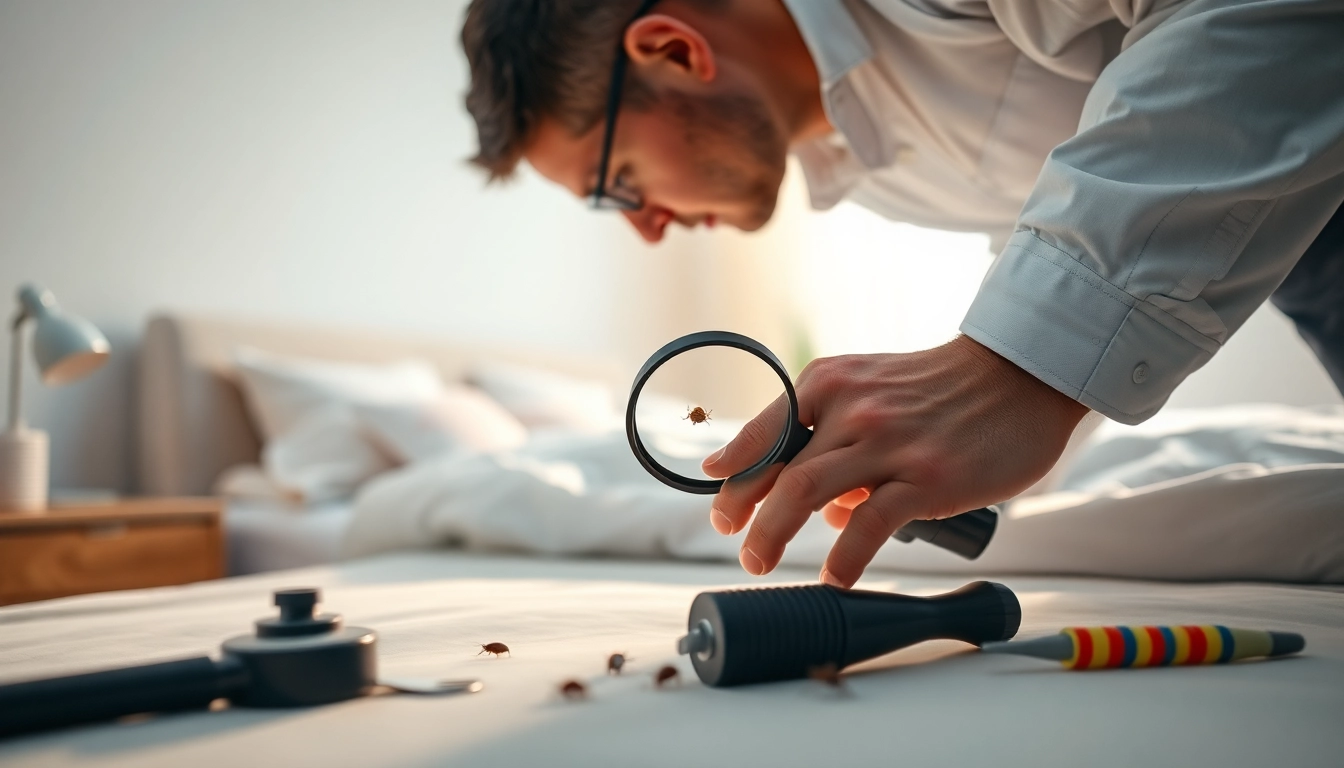
Understanding Bed Bugs
What Are Bed Bugs?
Bed bugs are small, oval-shaped, brownish insects that feed on the blood of animals and humans. Their size varies from about 1-7 mm, making them nearly invisible to the untrained eye. Often found in bedding, mattresses, and furniture, their presence can cause significant distress and discomfort for homeowners. Understanding their behavior is crucial for effective bed bug removal.
Signs of Bed Bug Infestation
Identifying a bed bug infestation early is key to effective management. Common signs include:
- Physical Bites: Red, itchy welts on the skin often appear after bed bugs feed at night.
- Stains: Dark spots on sheets or mattresses can indicate bed bug excrement.
- Shell Casings: As bed bugs mature, they shed their exoskeletons, which may be found in infested areas.
- Odor: An unexplained musty smell may develop where infestations are present.
Life Cycle of Bed Bugs
Understanding the life cycle of bed bugs is essential in determining the best strategies for their removal. Bed bugs undergo five nymph stages before becoming adults, and each stage requires a blood meal to progress. Under optimal conditions, bed bugs can reproduce rapidly, with a female laying up to 500 eggs in her lifetime, leading to swift escalations in infestations.
Methods of Bed Bug Removal
Heat Treatment Techniques
Heat treatment is one of the most effective methods for bed bug removal. This method involves raising the indoor temperature of afflicted areas to levels lethal for bed bugs (about 120°F). By using specialized heaters, you can ensure all areas, including hard-to-reach points, are treated effectively. It’s essential to monitor the temperature carefully to ensure it sustains over time, as quicker heat treatments may not penetrate deep into infested items.
Chemical Solutions for Bed Bugs
Chemical treatments involve using insecticides specifically targeted against bed bugs. These solutions can be applied through various methods, including sprays, powders, and foggers. One advantage of chemical solutions is their accessibility, as many products are available for consumer use. However, caution is essential to avoid inhalation and skin contact, as well as ensuring safe use around pets and children. Consulting with a pest control professional about applying these chemicals effectively and responsibly is recommended.
Natural Remedies for Bed Bug Removal
For those seeking eco-friendly options, several natural remedies can aid in the process of bed bug removal. Ingredients such as diatomaceous earth and essential oils like lavender or tea tree oil have shown effectiveness in repelling bed bugs. While these remedies may not offer complete eradication, they can assist in a comprehensive approach when paired with other methods. It's an ideal solution for individuals who prefer to avoid harsh chemicals, but it’s important to understand that these options may take longer to see results.
Preparing for Bed Bug Removal
How to Clear Your Home
Before starting any bed bug removal process, it's crucial to prepare your home adequately. Begin by decluttering your living spaces to minimize hiding spots for bed bugs. Vacuuming all furniture, carpets, and crevices should also be part of your preparation. Additionally, washing and drying all bedding, linens, and clothing at high temperatures can help eliminate any potential bed bugs and eggs that may be present.
Protecting Your Belongings
During the removal process, it’s essential to safeguard your belongings to prevent further infestation. Use tightly sealed plastic bags to store clothing and linens. This step ensures that any bed bugs attempting to escape or invade new areas are contained. Be mindful of furniture and mattresses; consider protective encasements designed to trap any remaining bed bugs and prevent them from feeding.
Safety Precautions During Treatment
Implementing safety precautions is vital for effective bed bug removal. Always read and follow product labels for any chemicals used, and ensure proper ventilation in your home during chemical application. If employing heat treatment, be mindful not to overheat materials that may be damaged. Wearing protective gear such as gloves and masks is also advisable to shield against chemical exposure.
Post-Removal Strategies
Monitoring for Reinfestation
Once the initial removal process is complete, setting up monitoring strategies can help avoid reinfestation. Consider using bed bug traps to capture any emerging bugs that may have been overlooked during treatment. Regularly check for warning signs like new bites or droppings, making it easier to catch subsequent infestations early on.
Preventive Measures to Avoid Bed Bugs
Preventing bed bugs requires ongoing vigilance and proactive measures. Regular cleaning and vacuuming of your home, especially in sleeping areas, can significantly reduce the chance of a reinfestation. Sealing cracks and crevices in walls and baseboards can also help limit bed bug hiding places. Additionally, utilize mattress and box spring encasements to create a barrier against bed bugs.
When to Contact Professionals
If an infestation persists despite your efforts, it may be time to contact pest control professionals. Their expertise and access to advanced techniques and products can provide an effective solution, especially in severe cases. Professional exterminators can also guide you through the post-treatment phase, helping you establish preventive measures to avoid future infestations.
Frequently Asked Questions
How long does bed bug removal take?
Bed bug removal can take a few weeks, varying based on the infestation's severity and treatment methods utilized. Effective results often depend on diligence and follow-up treatments.
Can I perform bed bug removal myself?
While DIY methods exist, professional assistance is recommended for effective bed bug removal. Professionals have the expertise and tools to ensure lasting results.
What kills bed bugs instantly?
High heat above 120°F or certain insecticides can kill bed bugs quickly. Always adhere to safety and application instructions for effectiveness.
How can I prevent bed bugs after removal?
Regular cleaning, sealing up potential hiding spots, and using mattress encasements will help you prevent bed bugs after removal efforts have been made.
Are bed bugs harmful to health?
Bed bugs are not known to transmit diseases; however, bites can lead to allergic reactions and secondary infections from scratching. It's crucial to manage infestations promptly.