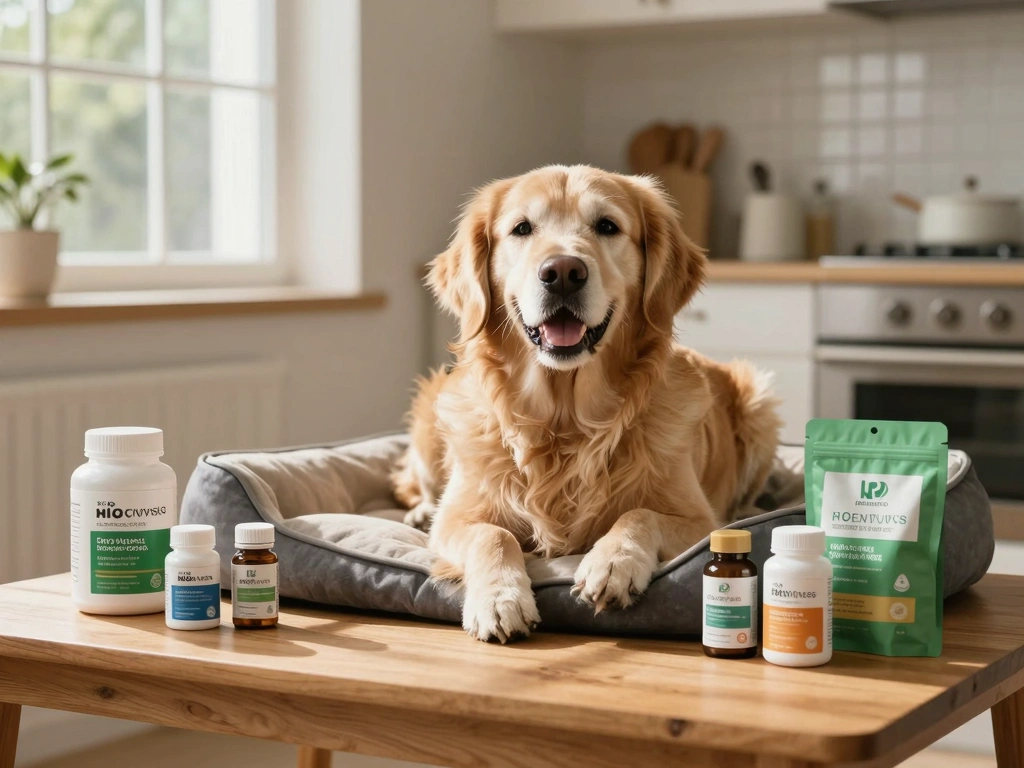
Understanding DMSO for Dogs
Dimethyl sulfoxide (DMSO) is a powerful solvent with unique properties often used in veterinary medicine. Increasingly, pet owners are discovering its potential benefits for their canine companions. This article delves into the uses, benefits, and essential considerations of dmso for dogs, providing a thorough understanding of this compound and how it can aid in your dog's health.
What is DMSO?
DMSO is a byproduct of wood pulp processing and is known for its unmatched ability to reduce pain and inflammation. Originally utilized in industrial applications, its medical properties have been the center of research, particularly in treating various ailments in both humans and animals. Due to its ability to penetrate biological membranes easily, DMSO can deliver other medications directly to tissues and cells, enhancing treatment efficacy.
How Does DMSO Work in Dogs?
The mechanism through which DMSO operates involves its anti-inflammatory and antioxidant properties. It acts on cell membranes, increasing their permeability which facilitates the absorption of other therapeutic agents. DMSO is particularly effective in decreasing swelling and pain associated with joint conditions, making it a valuable treatment for dogs suffering from arthritis and other inflammatory disorders.
Common Uses of DMSO for Dogs
DMSO's versatility allows it to be employed in various scenarios. Common applications include:
- Joint Pain Relief: Many dog owners report DMSO's effectiveness in alleviating pain associated with arthritis.
- Skin Conditions: Conditions like acral lick dermatitis and calcinosis cutis can be managed with topical DMSO.
- Post-Surgical Healing: DMSO can facilitate faster recovery from surgeries by reducing inflammation.
- Wound Treatment: It is beneficial for treating various wounds, including those resulting from injuries or surgery.
Benefits of DMSO for Dogs
Pain Relief and Anti-inflammatory Effects
One of the most significant advantages of using DMSO is its potent pain-relieving properties. Many studies have demonstrated that DMSO effectively reduces inflammation, which is often the root cause of pain. By applying DMSO topically or through injections, pet owners may observe marked improvements in their dogs' comfort levels, especially in older dogs or those with chronic pain conditions.
Speeding Up Healing
With its ability to enhance the absorption of medications and nutrients, DMSO is known to expedite the healing process in dogs. It helps improve blood flow to affected areas and reduces recovery time from injuries or surgical procedures. For example, athletes or performance dogs handle injuries better when treated promptly with DMSO, reducing downtime.
Improving Mobility and Quality of Life
For older dogs or those with chronic conditions, DMSO may significantly enhance mobility. Increased comfort and reduced pain levels can lead to a more active lifestyle, allowing dogs to enjoy walks, playtime, and general interactions more fully. By improving their quality of life, DMSO can not only benefit pets physically but also emotionally by enhancing their overall well-being.
Dosage Guidelines for DMSO in Dogs
Typical Dosage Recommendations
When administering DMSO, it's crucial to adhere to dosage guidelines. Generally, the topical application may involve liberal dosing, typically up to every six hours, with a total daily dose not exceeding 20 grams. However, consulting a veterinarian is paramount to tailor the dosage to your dog's individual needs.
How to Apply DMSO to Dogs
DMSO can be applied directly to the skin or as part of a dissolved treatment with other medications. For effective results:
- Clean the area thoroughly before application to avoid contaminants.
- Apply a thin layer of DMSO, gently massaging it into the skin for optimum absorption.
- Use a common dosage frequency as per veterinarian advice to avoid toxicity.
Frequency of Application
The frequency of DMSO application can vary based on the severity of the condition being treated. Generally, applications can occur up to three times daily, according to veterinary guidance. However, care should be taken to monitor your dog for any adverse reactions, and adjustments in frequency may be necessary as the treatment progresses.
Possible Side Effects of DMSO for Dogs
Common Side Effects and Their Management
Though generally considered safe, DMSO may cause side effects, including skin irritation or allergic reactions in some dogs. Monitoring for symptoms such as redness, itching, or swelling at the application site is crucial. If observed, discontinue use and consult a veterinarian promptly to consider alternative treatments.
Who Should Avoid DMSO?
While DMSO can be beneficial, certain dogs should avoid it altogether. Pregnant or nursing dogs should not be treated with DMSO due to the potential risks to puppies. Moreover, dogs with specific allergies or those on particular medications may face adverse interactions, necessitating a thorough vet consultation before usage.
Interactions with Other Medications
As a powerful solvent, DMSO can alter the effectiveness of various medications by enhancing or diminishing their absorption rates. It is essential to disclose all medications your dog is currently taking to your veterinarian to prevent interactions that could interfere with treatment outcomes.
Frequently Asked Questions About DMSO for Dogs
Is DMSO safe for all dogs?
DMSO is generally safe but should be avoided in dogs with allergies to it or those that are pregnant. Always consult a veterinarian before use.
Can DMSO be used with other treatments?
Yes, DMSO can be combined with some medications. However, always discuss with your veterinarian to avoid adverse interactions.
Where should DMSO be applied?
DMSO is typically applied to the affected area of the skin. Ensure the area is clean before application for optimal absorption.
How quickly does DMSO work?
Dogs can often show improvement within a few hours of DMSO application, although results can vary based on the individual dog's condition.
What if my dog has a reaction to DMSO?
If your dog presents any signs of a negative reaction, such as excessive redness or swelling, discontinue use immediately and consult your veterinarian.