Understanding the Importance of Protecting Car Paint
Why Paint Protection Matters
Your vehicle’s exterior is its most visible and vulnerable part. The paint not only enhances the aesthetic appeal but also serves as a protective shield against environmental factors. In today's world, where UV rays, acid rain, bird droppings, and tree sap are common threats, a well-maintained paint job is essential to preserve a car's value and appearance. A simple way to ensure your car remains in optimal condition is to learn how to protect car paint after washing.
Types of Damage to Car Paint
Car paint is susceptible to various types of damage, including:
- Scratches: These can result from washing with abrasive materials, road debris, or accidents.
- Fading: Prolonged exposure to sunlight can cause the paint to dull and lose its luster.
- Oxidation: This occurs when the paint reacts with oxygen, leading to a chalky appearance.
- Corrosion: Moisture, chemicals, and contaminants can lead to rust formation if paint integrity deteriorates.
Key Benefits of Regular Maintenance
Regular maintenance not only enhances the car's appearance but also offers numerous benefits such as:
- Preserving Resale Value: A well-maintained paint job can significantly enhance a vehicle's resale value.
- Improved Safety: Clear visibility provided by pristine paint and windows allows for better overall safety on the road.
- Enhanced Aesthetic Appeal: A shiny and vibrant paint makes your vehicle more visually appealing.
- Environmental Protection: Regular washing protects against contaminants that may harm the paint.
Essential Steps on How to Protect Car Paint After Washing
Applying Wax for Optimal Protection
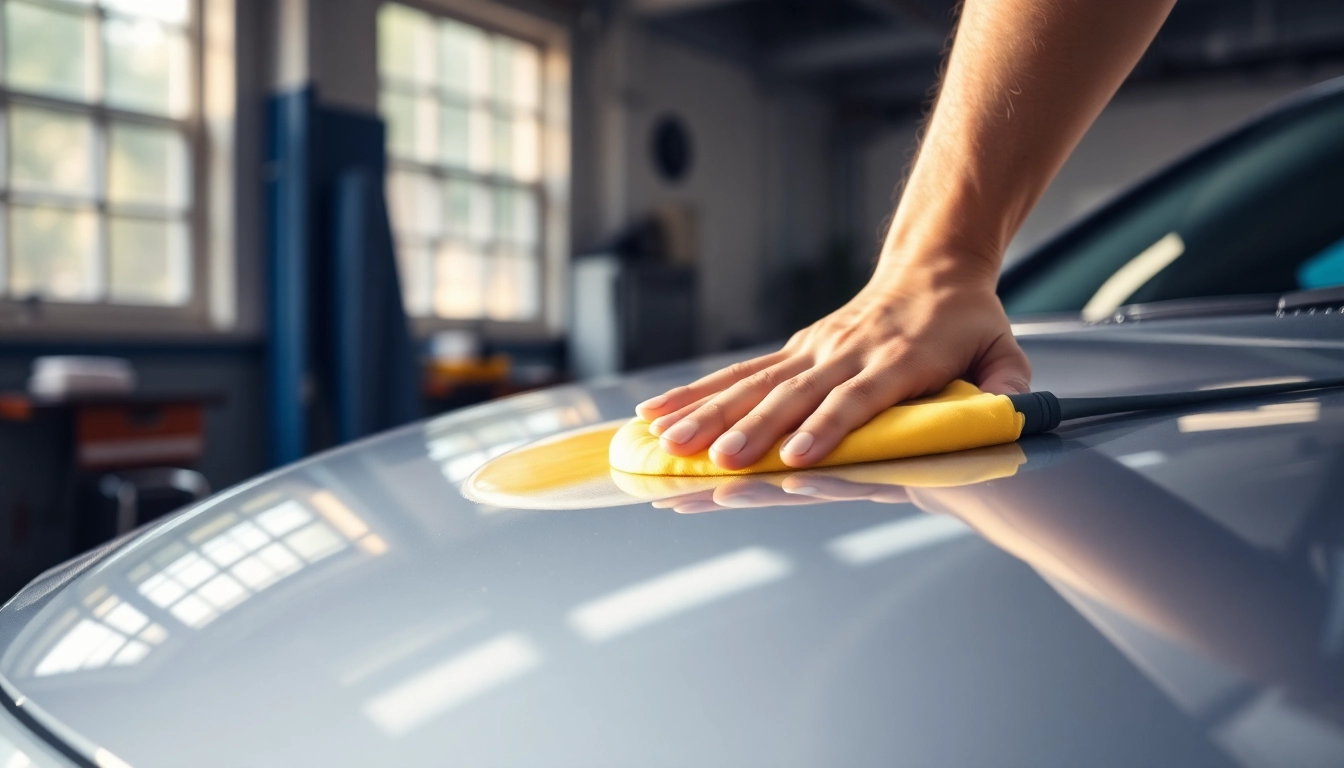
Waxing is one of the simplest and most effective methods to protect your car’s paint. Car wax forms a protective barrier against UV rays, dust, and environmental contaminants.
To apply wax:
- Ensure the car is thoroughly cleaned and dried.
- Choose a high-quality car wax (preferably a natural or synthetic option).
- Using a foam applicator, apply the wax in small, circular motions.
- Allow it to dry (follow manufacturer instructions) before buffing with a microfiber cloth.
Choosing the Right Sealant
Sealants provide a longer-lasting barrier than wax, making them a great option for those who want extended protection. Unlike wax, sealants are synthetic and can last for several months.
To choose the right sealant:
- Look for products containing polymer resins for durability.
- Consider the ease of application and removal.
- Check for UV protection enhancement to safeguard against fading.
Routine Wash Techniques to Maintain Shine
Proper washing techniques are vital for maintaining paint integrity. Here are key tips:
- Two-Bucket Method: Use one bucket for soapy water and another for rinsing your wash mitt to prevent dirt transfer.
- Microfiber Materials: Always use microfiber cloths and mitts, as they are soft and less likely to scratch the surface.
- Drying Techniques: Use a soft microfiber towel to gently pat dry rather than rub against the paint.
Advanced Techniques to Enhance Paint Protection
Utilizing Ceramic Coatings
Ceramic coatings offer advanced, long-term protection compared to traditional wax or sealants. These coatings form a chemical bond with the car's paint, making it highly resistant to scratches, dirt, and UV damage.
While professional application is recommended for best results, DIY kits are available for those willing to invest time.
Understanding Paint Protection Film
Paint Protection Film (PPF) is a clear, durable film applied to a vehicle's exterior. It acts as a shield against stone chips, scratches, and other forms of damage.
When selecting PPF:
- Look for high-quality, self-healing films that can recover from minor scratches.
- Consider options with UV resistance to prevent paint fading.
- Ensure proper installation to avoid bubbles and peeling.
When to Seek Professional Help
If you're unsure about applying products yourself or if your vehicle has significant damage, it may be wise to consult a professional detailer. Professionals can assess your car's specific needs and utilize advanced techniques and products for maximum protection.
Common Mistakes to Avoid After Washing Your Car
Incorrect Drying Methods
Many car owners mistakenly rub their cars dry with standard towels. This can create micro-scratches. Instead, use gentle patted-dry methods with microfiber towels.
Using Non-Automotive Products
Household cleaners can strip protective waxes and harm the paint. Always opt for pH-balanced car wash products designed specifically for automotive exteriors.
Skipping Regular Maintenance
Falling behind on regular washing and waxing can lead to greater damage and decay of paint quality. Set a routine maintenance schedule to keep your vehicle looking its best.
Frequently Asked Questions (FAQs)
What is the best way to wax a car?
Begin with a clean surface, applying wax in circular motions using a soft cloth. Buff it off once it's dry for an even finish.
How often should I wax my car?
Ideally, you should wax your car every three months to sustain its protective layer and aesthetic appeal.
Can I use dish soap to wash my car?
No, dish soap can strip protective wax and harm paint. Always use pH-balanced car wash soap specifically formulated for vehicles.
Is ceramic coating worth it?
Absolutely! Ceramic coatings provide enduring protection and reduce the frequency of maintenance required for your vehicle.
What should I do after washing my car?
Immediately applying wax or sealant protects the paint from contaminants and helps maintain a high shine.