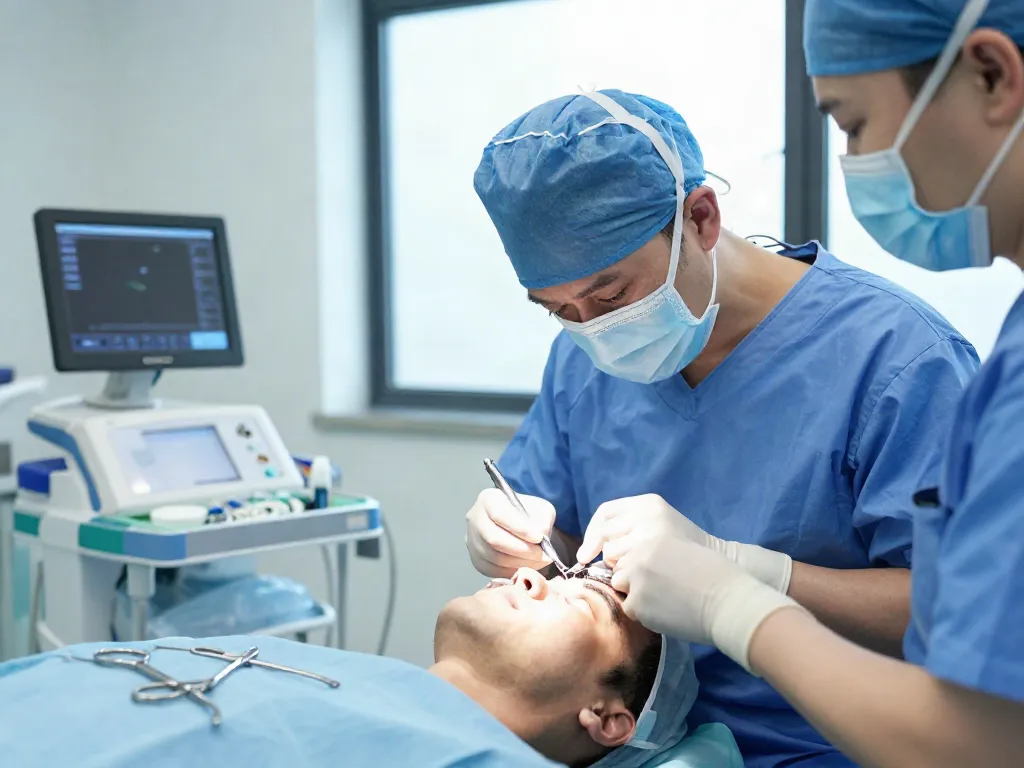
Understanding Hair Transplant Techniques
A hair transplant is a highly specialized procedure aimed at restoring hair in thinning or balding areas by relocating healthy hair follicles from donor sites. In Malaysia, renowned for its advanced medical technology and affordable healthcare services, the SMART™ FUE technique has emerged as a leader in providing natural-looking, scar-free results. When exploring options, Hair Transplant centers like GLOJAS Specialist Clinic offer comprehensive insights into various techniques, ensuring patients make informed decisions tailored to their individual needs.
What is Hair Transplantation?
Hair transplantation is a surgical technique that moves hair follicles from one part of the body, known as the donor area, to another part where hair is thinning or absent. This process capitalizes on the natural growth characteristics of the hair from the donor area, typically the back or sides of the head, which tend to be genetically resistant to balding. The most popular methods for hair transplantation include Follicular Unit Extraction (FUE), Follicular Unit Transplantation (FUT), and Direct Hair Implantation (DHI).
Overview of SMART™ FUE Technique
The SMART™ FUE technique represents an evolution in hair restoration procedures, focusing on minimal invasiveness and precise placement to ensure natural outcomes. Unlike traditional methods, SMART™ FUE uses a specialized extraction tool that minimizes trauma to the scalp, leading to quicker recovery times and less noticeable results. This method is particularly suitable for individuals with finer hair or those seeking a shorter hairstyle, as it leaves minimal scarring.
Comparison of FUE, FUT, and DHI Methods
Each hair transplant technique has its distinct advantages and drawbacks, which can impact cost, recovery, and the final result. Understanding these differences is crucial when considering a hair transplant.
- Follicular Unit Extraction (FUE): Involves extracting individual hair follicles using a small, circular punch tool. Pros include minimal scarring and a shorter recovery period, while cons include a longer procedure time for larger sessions.
- Follicular Unit Transplantation (FUT): Involves removing a strip of scalp to harvest multiple hair follicles at once. This technique can yield a higher number of grafts in a single session but leaves a linear scar.
- Direct Hair Implantation (DHI): Utilizes a pen-like tool to extract and implant hair follicles in one go, allowing for more control over the angle and depth of each graft. However, it is labor-intensive and typically more costly.
Evaluating Hair Transplant Costs in Malaysia
The cost of hair transplants in Malaysia is generally significantly lower than in Western countries, making it an attractive option for those considering this procedure. Prices typically range from RM8,000 to RM30,000, or RM5 to RM15 per graft, depending on the chosen technique and the extent of hair loss.
Factors Influencing Hair Transplant Prices
Several factors can influence the cost of a hair transplant, including:
- Technique Used: FUE generally costs more per graft compared to FUT, while DHI is often the most expensive due to its intricate process.
- Number of Grafts Required: The more grafts needed, the higher the overall cost, as most clinics price based on graft count.
- Clinic Reputation: Established clinics with a track record of successful outcomes may charge higher fees.
- Surgeon’s Experience: A highly experienced surgeon will often charge more for their expertise.
Average Cost Breakdown by Technique
To provide a clearer understanding, here is a general cost breakdown by technique:
- FUE: RM10,000 - RM30,000 depending on the number of grafts.
- FUT: RM8,000 - RM25,000, usually less expensive than FUE.
- DHI: RM15,000 - RM35,000, reflecting the more complex nature of the procedure.
Financing Options for Hair Restoration
Given the investment in a hair transplant, many clinics offer financing options to make the procedure more accessible. Options may include monthly payment plans or partnerships with credit providers. Patients are encouraged to discuss available financing plans during their initial consultations to determine what best suits their financial situation.
Who Are the Ideal Candidates for Hair Transplants?
Not everyone is a suitable candidate for a hair transplant, and understanding the characteristics of good candidates can help individuals make informed decisions regarding their hair restoration journey.
Understanding Male and Female Pattern Baldness
Male and female pattern baldness are the most common forms of hair loss, resulting from genetic predisposition and hormonal changes. Men typically experience a receding hairline and thinning at the crown, while women tend to have diffuse thinning across the scalp. Identifying the pattern and cause of hair loss is crucial in determining candidacy for a hair transplant.
Health Considerations Before Undergoing Surgery
Good overall health is essential for undergoing any surgical procedure, including hair transplantation. Patients should consult their healthcare provider to discuss any underlying health conditions or medications that may affect the surgery or recovery process.
Consultation Insights for Potential Candidates
A thorough consultation is vital in assessing hair loss and determining the best course of action. During this session, potential candidates can discuss their goals, review their medical history, and undergo a hair and scalp analysis. This is the best opportunity to explore treatment options, receive personalized advice, and ask any pressing questions regarding the procedure.
The Hair Transplant Process Explained
Understanding the process of hair transplantation can help demystify the surgery and set realistic expectations for outcomes and recovery.
Pre-Procedure Preparation and Expectations
Prior to the procedure, patients are typically advised to refrain from smoking, limit alcohol intake, and avoid certain medications like blood thinners. This preparation helps minimize complications and optimize healing. Patients should also arrange for someone to drive them home afterward, as sedation may be used.
Step-by-Step Overview of the Surgery
The hair transplant procedure generally follows these steps:
- Consultation: A detailed assessment to determine the best technique and plan.
- Anesthesia: Local anesthesia is administered to minimize discomfort.
- Graft Extraction: Depending on the method, either individual follicles are extracted (FUE) or a strip of scalp is removed (FUT).
- Graft Preparation: The extracted grafts are prepared for implantation.
- Implantation: Grafts are placed into the thinning or balding areas with careful attention to density, angle, and pattern.
Post-Operative Care and Recovery Tips
After the procedure, patients can expect some redness and swelling in the donor and recipient areas. Following post-operative care instructions is critical for successful recovery and optimal results. This may include avoiding strenuous activities, not touching or scratching the scalp, and following specific washing and care protocols.
Future Trends in Hair Restoration
The field of hair restoration is continually evolving, driven by advances in technology and research. New techniques and approaches are constantly being developed to improve outcomes and patient satisfaction.
Emerging Technologies in Hair Transplantation
Innovations such as robotic-assisted hair transplants and the use of artificial intelligence are enhancing precision in graft extraction and placement, making procedures even more efficient and reliable. These technologies are particularly beneficial in large cases where consistency is crucial.
Long-Term Success Indicators for Hair Transplants
Successful hair transplantation can be gauged by the survival rate of transplanted grafts and the natural appearance of hair growth. Factors such as proper aftercare, adherence to follow-up appointments, and overall health play significant roles in long-term success.
Expert Predictions for Hair Restoration in 2026
Experts predict a continued shift towards minimally invasive techniques, advancements in graft preservation methods, and increased accessibility for patients worldwide. As the demand for hair restoration rises, ongoing education and training for practitioners will ensure that patients receive the highest quality of care and results.
Frequently Asked Questions
How long will hair transplants last? Hair transplants are considered permanent; however, due to factors like natural aging and genetic predisposition, some patients may experience gradual thinning over time.What is the average cost of 3,000 hair grafts? The cost for 3,000 hair grafts can range between RM15,000 to RM45,000, depending on the technique used and the clinic.Are there risks associated with hair transplants? As with any surgical procedure, there are risks involved, such as infection, scarring, and uneven hair growth. Proper consultation and care can minimize these risks.Is a hair transplant 100% successful? While many patients achieve excellent results, individual outcomes can vary. Factors such as the technique used, hair characteristics, and adherence to post-operative care all influence success rates.What aftercare is necessary post-hair transplant? Aftercare may include using prescribed ointments, avoiding heavy exercise for a few weeks, and adhering to specific hair washing techniques to ensure optimal healing.