Understanding Astaxanthin
What is Astaxanthin?
Astaxanthin is a powerful carotenoid, a pigment found naturally in various marine environments, notably in microalgae, salmon, shrimp, and krill. Its vibrant red-orange color is not just aesthetically pleasing; astaxanthin has gained attention due to its potent antioxidant properties, demonstrating a capability to combat oxidative stress more effectively than other antioxidants like vitamin C and even beta-carotene. This remarkable attribute enhances the health benefits associated with astaxanthin, making it a popular choice in health supplements and functional foods.
Benefits of Astaxanthin
The therapeutic potential of astaxanthin is well-researched and multifaceted. It is associated with numerous health benefits, including:
- Antioxidant Properties: Astaxanthin is renowned for its ability to neutralize free radicals, which are harmful molecules that contribute to aging and various diseases.
- Anti-Inflammatory Effects: Research suggests that astaxanthin may reduce inflammation, aiding in the management of chronic inflammatory conditions.
- Skin Health: Studies indicate that astaxanthin can improve skin elasticity, texture, and hydration, making it a popular ingredient in skincare products.
- Eye Health: With its potential to filter harmful blue light and reduce eye strain, astaxanthin supports retinal health and visual performance.
- Exercise Recovery: There is evidence to suggest that astaxanthin can enhance athletic performance by reducing muscle soreness and recovery time.
Sources of Astaxanthin
Astaxanthin is primarily found in marine sources, including:
- Microalgae: Specifically, Haematococcus pluvialis is considered the richest source of astaxanthin.
- Salmon: Wild-caught salmon, known for its pink hue, gets its color from the astaxanthin in its diet.
- Shrimp and Krill: These seafood sources also contain significant concentrations of astaxanthin.
- Supplementation: Astaxanthin supplements are widely available for those who may not consume enough through diet alone.
How Much Astaxanthin Should I Take?
Daily Recommended Dosage
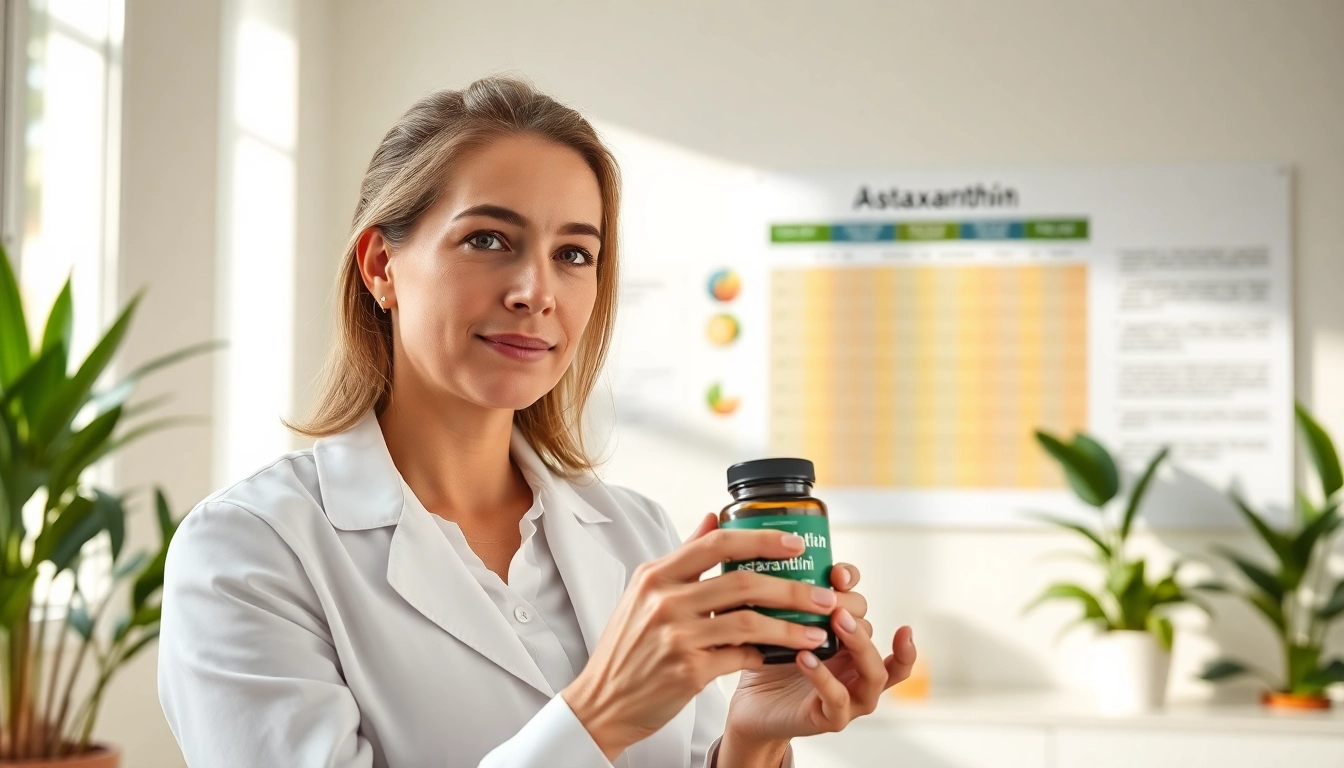
Determining the appropriate dosage of astaxanthin can vary widely based on individual health goals and specific circumstances. Generally, a common dosage starts around 4 mg to 12 mg per day for general health benefits. Higher doses, up to 20 mg daily, have been used in studies focusing on specific conditions such as exercise recovery or skin health. However, it is essential to understand that individual needs may vary, thereby necessitating a tailored approach. For comprehensive guidance on daily intake, refer to this article discussing how much astaxanthin should I take.
Factors Influencing Dosage
Several factors can influence the ideal dosage of astaxanthin for you:
- Health Condition: Specific health issues may require higher dosages for therapeutic effects.
- Age: Age-related physiological changes might necessitate adjusted dosages.
- Dietary Intake: Those consuming astaxanthin-rich foods may require lower supplemental doses.
- Exercise Levels: Athletes or those involved in rigorous physical activities may benefit from higher doses for recovery.
Consulting with Healthcare Professionals
Before starting any supplementation, including astaxanthin, it is highly advisable to consult with a healthcare professional, especially if you have underlying health conditions or are pregnant or breastfeeding. They can provide insights into the appropriate dosage tailored to your personal health profile and ensure safe integration of astaxanthin into your regimen.
Forms of Astaxanthin
Supplementation vs. Food Sources
Astaxanthin can be consumed through natural food sources or supplements. For those who enjoy seafood, incorporating foods such as salmon, krill, and shrimp can enrich your diet with natural astaxanthin. However, for individuals who may not consume these foods regularly, supplementation offers a convenient and effective alternative to meet daily needs.
Choosing the Right Astaxanthin Product
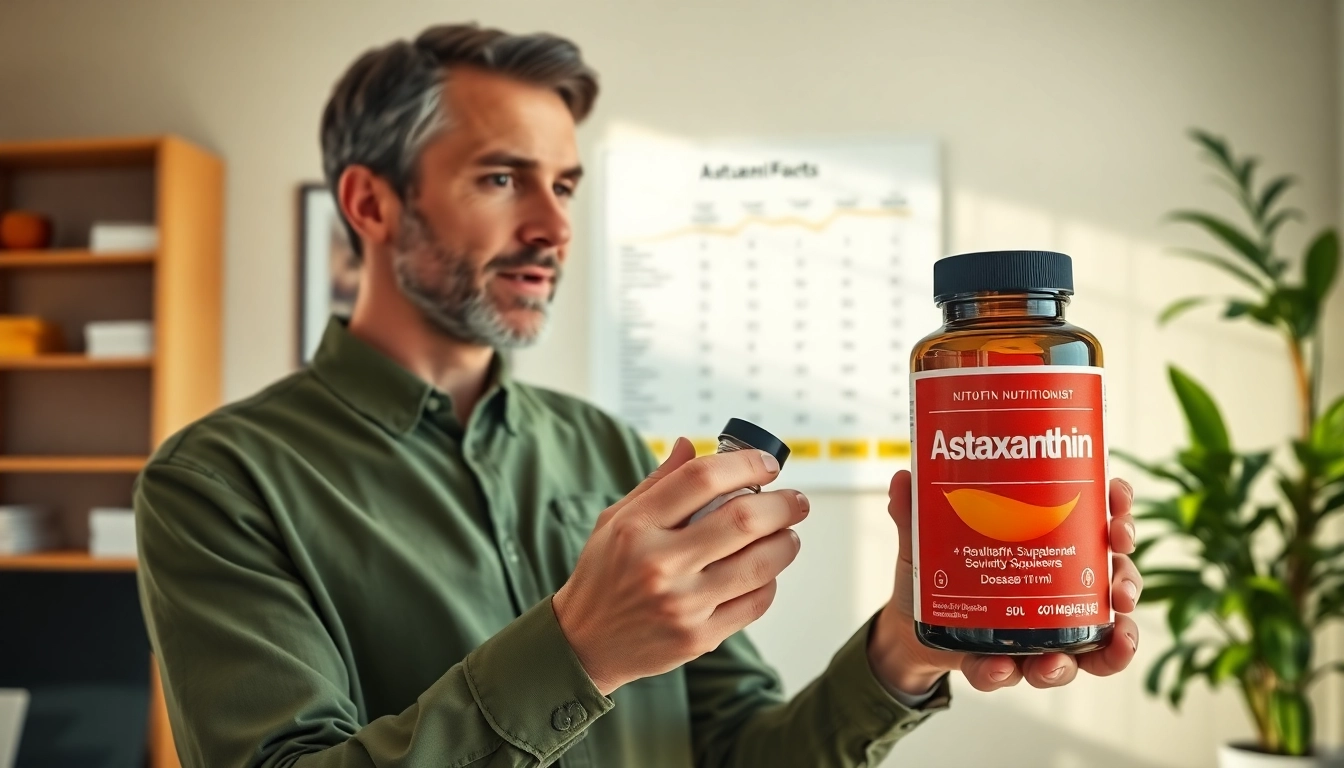
When selecting an astaxanthin supplement, it's crucial to consider its source, purity, and formulation:
- Source: Look for products derived from Haematococcus pluvialis for higher potency.
- Formulation: Choose products that combine astaxanthin with oils, as it is fat-soluble and better absorbed when consumed with fats.
- Quality: Select brands that provide third-party testing to verify the purity and potency of their products.
Potential Side Effects
While astaxanthin is generally considered safe, some individuals may experience mild side effects, including:
- Stomach discomfort or gastrointestinal issues
- Skin discoloration (in rare cases)
- Possible interactions with blood thinners
Individuals should monitor their body's response and consult a healthcare provider if any adverse effects emerge.
Integrating Astaxanthin into Your Diet
Recipes with Astaxanthin-rich Foods
Incorporating astaxanthin-rich foods into your meals can be delicious and beneficial. Try these simple recipes:
- Salmon Salad: Grilled salmon served over a bed of mixed greens, avocado, and a citrus vinaigrette.
- Shrimp Stir-Fry: Sauté shrimp with colorful vegetables and a splash of soy sauce for a quick, nutritious meal.
- Smoothie Bowl: Blend your favorite fruits with a scoop of supplement-derived astaxanthin powder and top with nuts and seeds.
Meal Planning with Astaxanthin
To ensure consistent intake of astaxanthin, consider planning meals that incorporate seafood at least a couple of times a week. Utilize frozen options for convenience and to streamline meal prep. Additionally, consider adding astaxanthin supplements to your morning routine to establish consistency.
Monitoring Your Health Progress
As you integrate astaxanthin into your diet or supplementation routine, it is important to monitor how your body responds. Keep track of any changes in physical performance, skin condition, or overall well-being. Documenting these observations can provide insights into the efficacy of astaxanthin for your personal health journey.
Frequently Asked Questions
How is astaxanthin beneficial for skin health?
Astaxanthin improves skin elasticity, moisture content, and reduces fine lines by protecting the skin from UV damage and oxidative stress.
Can astaxanthin help with exercise recovery?
Yes, astaxanthin may accelerate recovery by decreasing muscle soreness and inflammation, aiding athletes in their training regimes.
Are there interactions with other supplements?
Astaxanthin may interact with blood thinners and other medications; always consult with a healthcare professional before combining supplements.
How long does it take to see results from astaxanthin?
Individuals may notice improvements within a few weeks, but significant results, particularly for skin or athletic performance, may take longer.
Is there a maximum safe dosage for astaxanthin?
While doses up to 20 mg daily are generally considered safe, it's best to consult a healthcare professional for personalized guidance.