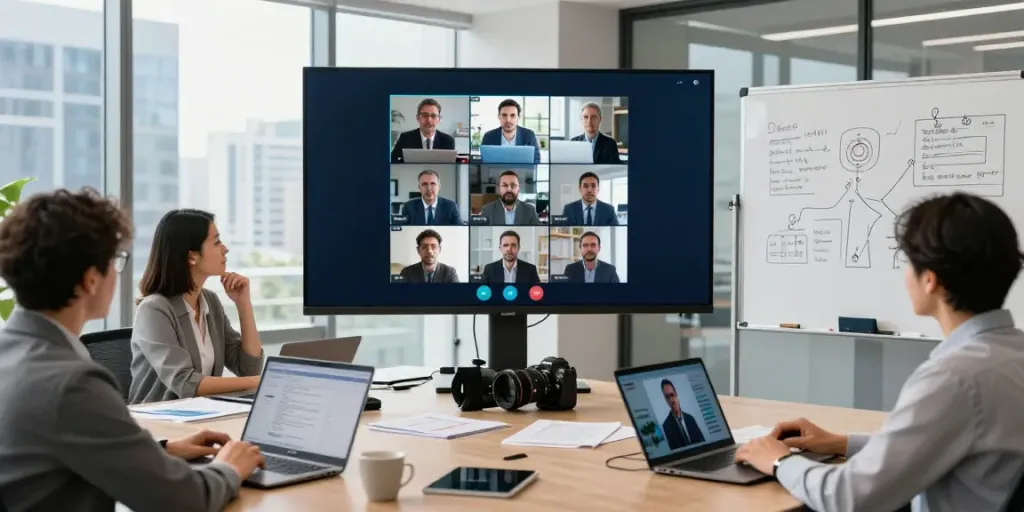
Understanding Deepfake Technology and Its Implications
In an increasingly digital world, the rise of deepfake technology has posed unique challenges, particularly in the realm of virtual meetings. Deepfakes are synthetic media generated using artificial intelligence that can manipulate audio and video to create realistic but false representations of real events or individuals. This technology not only threatens personal privacy but also presents significant risks to businesses and organizations by undermining trust in digital communications. As organizations transition towards more remote work and virtual meetings, the need for deepfake protected meetings becomes essential to safeguard sensitive discussions.
What are Deepfakes?
Deepfakes utilize advanced machine learning techniques, particularly deep learning, to create convincing fake media. By training neural networks on existing images and videos, this technology can generate realistic fake footage. What began as a novel experiment in media creation has quickly turned into a tool for misinformation, identity theft, and corporate espionage. The implications for privacy and trust are significant, as individuals can no longer be certain if what they see and hear online is genuine.
Potential Risks in Virtual Meetings
Virtual meetings, while offering convenience and flexibility, are particularly vulnerable to deepfake attacks. The potential risks include:
- Identity Fraud: Attackers can impersonate executives or colleagues to gain unauthorized access to sensitive information.
- Disinformation: Manipulated videos can be used to spread false narratives, potentially damaging reputations and trust.
- Financial Fraud: Faked video calls can induce organizations to make significant monetary transfers under false pretenses.
Importance of Security in Digital Communication
As digital communication becomes the norm, organizations must prioritize security. Without robust systems in place to verify the authenticity of video content, they risk falling prey to deepfake manipulations. Implementing multi-factor authentication, secure video conferencing platforms, and ongoing training for employees can significantly mitigate these risks.
Evaluating Deepfake Protection Solutions
With the growing awareness of deepfake risks, numerous protection solutions have emerged. However, it's crucial to evaluate these technologies critically to find the right fit for your organization. Key considerations include effectiveness against different types of deepfakes, ease of integration, and overall cost.
Key Features to Look For
When evaluating deepfake protection solutions, look for the following features:
- Real-Time Detection: The ability to identify deepfakes in real-time is crucial for immediate response to potential threats.
- Comprehensive Analysis: Advanced algorithms should analyze multiple aspects of video content, including facial recognition and voice verification.
- User-Friendliness: Solutions should be easy to use for employees at all tech proficiency levels, ensuring widespread adoption.
Comparative Analysis of Available Technologies
Not all deepfake protection systems are created equal. A comparative analysis can help identify the best technologies available. Here are a few notable options in the market:
- Deepware Scanner: This AI-powered tool specializes in detecting deepfake videos with a high success rate.
- Sensity: Known for its extensive database, Sensity offers real-time monitoring and detection capabilities.
- Deepfake Detection Challenge: An initiative that continually updates algorithms to keep pace with deepfake advancements.
Cost vs. Benefit Analysis
Implementing deepfake protection involves expenses that vary across different solutions. It's essential to conduct a cost-benefit analysis. For instance, the potential financial losses from a deepfake attack could far outweigh the costs of investing in a robust protective solution. Additionally, consider the reputational damage that could occur, which can be long-lasting and challenging to recover from.
Implementing Deepfake Protection in Meetings
Once a suitable deepfake protection solution is chosen, implementation is key to ensuring its effectiveness. This process involves not only technical integration but also cultural adaptation within the organization.
Step-by-Step Setup Guide
- Assess Your Needs: Identify specific vulnerabilities and the type of content most at risk.
- Select a Solution: Based on your analysis, choose a protection solution that meets your requirements.
- Integrate with Existing Systems: Ensure the chosen solution works seamlessly with your current video conferencing tools.
- Train Staff: Provide extensive training to employees on the importance of deepfake awareness and use of the protection tool.
- Evaluate and Adjust: Regularly assess the effectiveness of the solution and make necessary adjustments to improve security.
Best Practices for Secure Meetings
In addition to leveraging technology, organizations should adopt best practices for secure meetings:
- Verify Identity: Use multi-factor authentication to confirm the identity of meeting participants.
- Limit Access: Only invite individuals who are necessary for the discussion to minimize exposure.
- Use Encrypted Channels: Ensure that all communication occurs over secure, encrypted channels to prevent eavesdropping.
Real-World Case Studies
Understanding how organizations have successfully implemented deepfake protection can provide valuable insights. For example:
- Company A: Faced a deepfake incident where an executive’s likeness was used to authorize a significant financial transaction. After implementing a deepfake detection tool, they successfully thwarted a further attempt.
- Organization B: Regularly conducts training sessions focusing on deepfake awareness, significantly reducing the risk of falling victim to a malicious attack.
Measuring Effectiveness of Deepfake Protections
Once deepfake protection measures are in place, evaluating their effectiveness is essential. This can involve both qualitative and quantitative metrics.
Metrics for Success
Key performance indicators (KPIs) can help measure the success of deepfake protection strategies:
- Detection Accuracy: Measure how many deepfake attempts were successfully identified versus missed.
- Employee Awareness: Conduct surveys to assess the awareness levels among employees regarding deepfake risks.
- Incident Reduction: Track the number of deepfake incidents over time as protection measures are implemented.
Assessing Risk Mitigation
Risk mitigation involves analyzing the potential threats and quantifying the effectiveness of the protective measures in place. Organizations can achieve this by conducting regular audits and scenario planning to prepare for potential deepfake attacks.
Feedback Loops and Continuous Improvement
Establishing feedback loops is crucial in maintaining the effectiveness of deepfake protections. Continuous improvement can be achieved through:
- Regular Training: Update training materials and sessions to reflect the latest developments in deepfake technology.
- Reviewing Security Protocols: Periodically assess and update security protocols based on new threats and vulnerabilities.
Future Trends in Deepfake Protection
As technology evolves, so too will the methods used to create and combat deepfakes. Staying ahead of the curve will require organizations to be vigilant and adaptable.
Technological Advancements on the Horizon
Future trends are likely to include:
- AI-Driven Solutions: Increased reliance on artificial intelligence for both creating and detecting deepfakes.
- Bio-Metric Authentication: The incorporation of biometric systems, such as voice and facial recognition, to enhance verification processes.
Regulatory Changes Impacting Digital Meetings
Governments are increasingly recognizing the threats posed by deepfake technology, leading to regulatory changes. Organizations will need to stay informed regarding legal frameworks governing digital communication and privacy to ensure compliance.
Preparing for 2026 and Beyond
Looking ahead to 2026, organizations will need to prepare for a landscape where deepfake technology is even more sophisticated. This preparation involves adopting proactive measures for protection, which could include ongoing investment in updated technologies and employee training.
What Are the Benefits of Deepfake Protections?
The benefits of implementing deepfake protections extend beyond mere compliance. They can:
- Enhance Trust: Secure meetings foster trust among employees, stakeholders, and clients.
- Prevent Financial Loss: By safeguarding against fraudulent activities, organizations can avoid significant financial losses.
Can Deepfake Technology Be Fully Trusted?
While the technology behind deepfakes is continually advancing, the question of trust remains. Organizations must remain cautious and view all digital communications with a critical eye, even when protective measures are in place.
How to Stay Updated on Deepfake Developments?
Staying informed about the latest developments in deepfake technology involves:
- Following Industry News: Engage with reputable sources that cover advancements in AI and deepfake technology.
- Joining Professional Networks: Participate in forums and organizations that focus on cybersecurity and digital safety.
What Are the Best Tools for Deepfake Detection?
Some of the best tools for deepfake detection include:
- Microsoft Video Authenticator: A tool aimed at identifying manipulated media.
- Amber Video: Provides a platform for deepfake detection tailored for enterprise needs.
How to Train Employees on Deepfake Awareness?
Employee training should focus on recognizing potential signs of deepfakes. Best practices include:
- Workshops: Conduct workshops that educate employees on how to spot deepfakes and report them.
- Regular Updates: Provide continuous education regarding the evolving landscape of deepfake technology and associated risks.