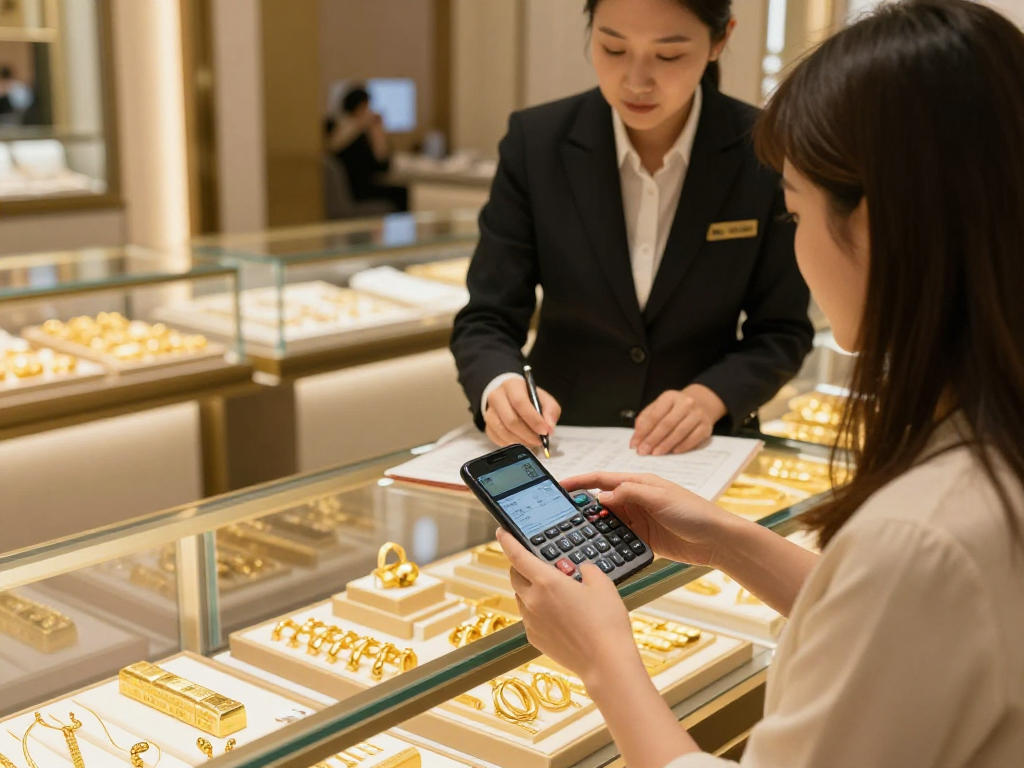
Understanding Gold Pricing in Bahrain
Gold has always been a valuable asset in Bahrain, often viewed as a safe haven for investors and a symbol of wealth for individuals and families alike. The intricate nature of gold pricing can be influenced by a myriad of factors, ranging from the global market dynamics to local demand and currency fluctuations. Understanding these factors is crucial for anyone considering the purchase or sale of gold, especially in a market as volatile as today’s. When exploring options, mantra88 provides comprehensive insights into the gold market trends in Bahrain.
What Affects Gold Prices Daily?
Daily fluctuations in gold prices can be attributed to several key factors. The primary influences include:
- Global Gold Prices: The price of gold on the global market directly impacts local prices. As investors react to changes in the international market, local prices often adjust accordingly.
- Currency Exchange Rates: The value of the Bahraini Dinar against other currencies, particularly the US Dollar, affects gold pricing. A stronger Dinar typically results in lower local gold prices.
- Jewelry Demand: In Bahrain, cultural practices and celebrations often drive demand. High demand during wedding seasons can push prices higher.
- Economic Factors: Inflation rates, economic stability, and geopolitical events can influence investor sentiment, thereby affecting gold prices.
The Role of Global Markets and Currency
Understanding the role of global markets is essential for grasping how local prices are determined. Gold is traded on various exchanges worldwide, with the London Bullion Market being one of the most significant. Prices established in these markets reflect the overall demand and supply for gold globally. Additionally, currency fluctuations can lead to price adjustments in local markets. For instance, if the US Dollar weakens against the Bahraini Dinar, gold prices in Bahrain may rise to maintain value when priced in dollars.
Understanding Rates for Different Karats
Gold can be found in various karats, each representing its purity. The most common karat values in Bahrain include:
- 24K: This is pure gold, ideal for investment.
- 22K: Contains 91.6% gold, widely used in jewelry.
- 21K: Comprising 87.5% gold, it offers a balance of durability and luster.
- 18K: Contains 75% gold, often seen in high-quality jewelry.
Navigating the Buying and Selling Process
For first-time buyers or sellers, the gold trading process in Bahrain might seem daunting. However, understanding the steps involved can simplify your transactions.
Steps to Buy Gold in Bahrain
When looking to purchase gold, follow these steps to ensure a smooth experience:
- Research: Start by researching current gold prices and trends. This knowledge will empower you to make informed decisions.
- Identify Sellers: Choose reputable sellers, whether jewelry shops or dealers specializing in bullion.
- Inspect the Product: Always inspect the gold piece for authenticity and quality. Ensure it comes with a certification of purity.
- Understand the Pricing Structure: Be aware that prices may include premiums for craftsmanship, especially for jewelry.
- Complete the Transaction: After agreeing on a price, complete your purchase through secure methods.
How to Sell Your Gold Securely
Selling gold requires careful consideration to ensure you receive a fair price. Here are the steps to follow:
- Assess Your Gold: Determine its karat and weight. Knowing its estimated value will help you negotiate.
- Choose a Reputable Buyer: Whether a pawn shop, a jeweler, or a direct buyer, ensure they are trustworthy.
- Get Multiple Quotes: Don’t settle for the first offer; seek quotes from several buyers to find the best price.
- Verify the Transaction: Make sure to receive a sale receipt, and consider having the gold assessed by a professional.
Verifying Gold Quality: What to Look For?
When evaluating gold, consider the following aspects:
- Hallmarks: Look for stamps indicating the karat value and the manufacturer's identity on the gold piece.
- Weight: Use a digital scale to ensure you receive the correct weight and consequently the right price.
- Visual Inspection: Check for any imperfections or signs of wear that might affect the piece's value.
Investment Insights: Buying Gold as an Asset
Investing in gold can be a wise financial decision for those looking to diversify their portfolios. Here’s what you need to know.
Long-term Benefits of Gold Investment
Gold acts as a hedge against inflation and economic uncertainty. Its value tends to rise when stock markets weaken, making it a valuable asset for risk mitigation. Additionally, gold can provide portfolio diversification, helping investors manage risk effectively.
Comparing Gold Bullion vs. Jewelry Investments
When investing in gold, buyers often face the choice between bullion and jewelry. Here are the key differences:
- Gold Bullion: Generally has a lower premium and is purer (24K), making it a preferred choice for serious investors.
- Jewelry: While more aesthetically pleasing, jewelry usually has higher craftsmanship costs included in the price.
How to Estimate Your Gold's Value
Estimating the value of your gold can be done by considering the following:
- Karat and Weight: Calculate the gold content by multiplying its weight with the pureness based on the karat value.
- Current Market Price: Check the current price of gold per gram and apply it to your calculated gold content.
- Condition: Assess the physical condition to determine if it affects the item's overall value.
Market Trends and Future Predictions
The gold market is influenced by various trends that can impact prices over time. Understanding these can help investors make better decisions.
Anticipated Changes in Gold Prices for 2026
Market analysts predict that gold prices may continue to rise through 2026 due to various economic factors, including inflation and geopolitical tensions. A sustained interest in gold as a hedge against economic instability also suggests a bullish trend in future valuations.
The Impact of Inflation on Gold Investments
Inflation typically increases demand for gold, as it serves as a reliable store of value. Investors often flock to gold during periods of high inflation, which drives prices upward. Monitoring inflation rates can provide significant insights into future gold price movements.
Emerging Trends in Gold Buying Behavior
Recent years have seen shifts in gold buying behaviors, with millennials and Gen Z becoming increasingly interested in gold as an investment. Digital gold platforms and innovative purchasing methods have made it easier for younger generations to invest in this precious metal, altering the traditional market dynamics.
Frequently Asked Questions
Addressing common queries can help clarify misconceptions about gold.
What is the Current Rate of 24K Gold?
The current rate of 24K gold in Bahrain can fluctuate daily, so it’s advisable to check reputable sources or platforms like Mantra88 for the most accurate and up-to-date pricing.
How Often Should I Check Gold Prices?
Regularly checking gold prices is essential, especially if you are planning a purchase or sale. Daily monitoring can help you make informed decisions.
What is the Best Way to Store Gold?
Gold should be stored securely, preferably in a bank safety deposit box or a well-guarded home safe. Avoid exposing it to extremes of temperature or humidity that can affect its quality.
Are Gold Investments Safe?
While gold has historically been a safe investment during economic downturns, all investments carry inherent risks. It’s crucial to understand market trends and assess your financial situation before investing.
When is the Best Time to Buy Gold?
The ideal time to purchase gold usually coincides with market dips or when demand diminishes. Timing your purchase based on market conditions can maximize your investment's potential.