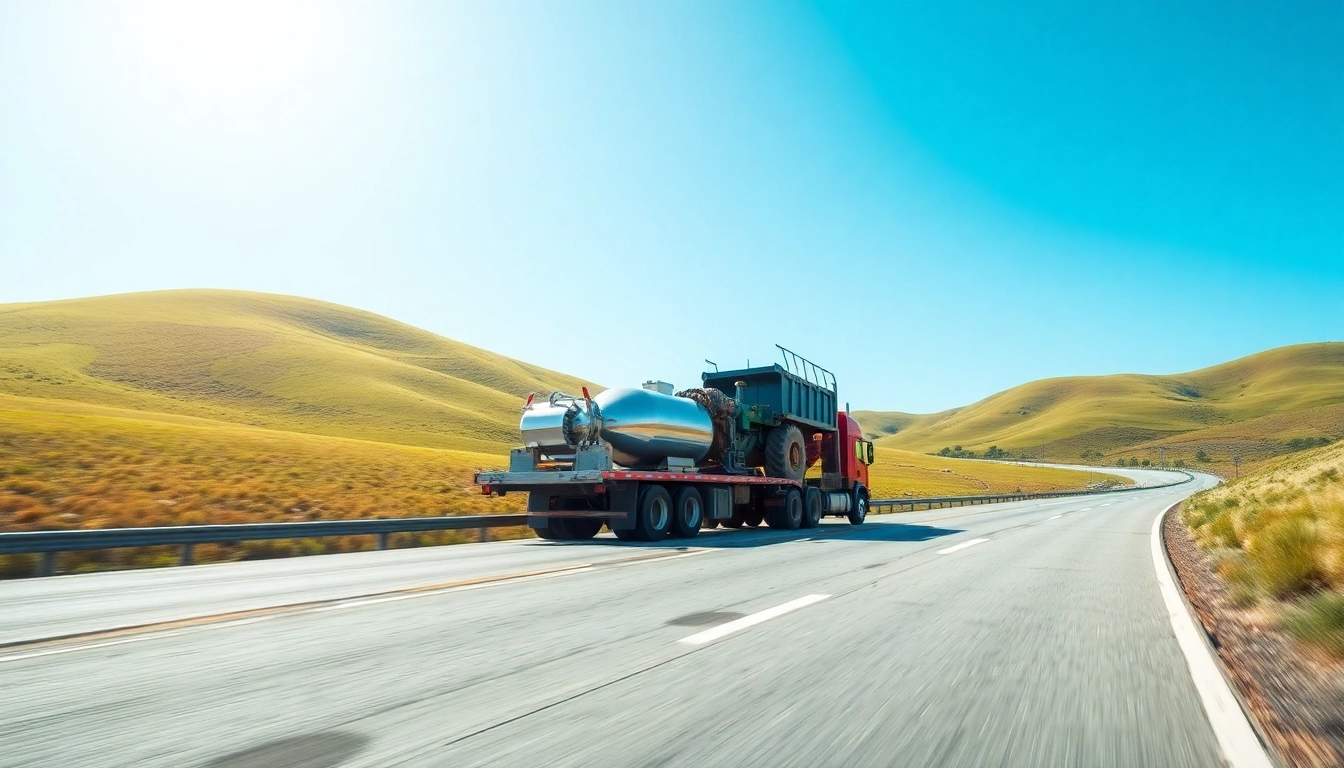
Understanding Equipment Hailing
Definition and Importance
Equipment hailing refers to the process of transporting heavy machinery and equipment from one location to another. This specialized logistics service is crucial for a variety of industries, including construction, agriculture, and mining. Efficient equipment hailing ensures that projects stay on schedule, materials arrive safely, and operational capacities are maintained. Proper equipment hailing not only saves time but also reduces potential damage during transport, thereby safeguarding investments.
Types of Equipment Hailing
There are various types of equipment hailing services tailored to different needs:
- Flatbed Hauling: Ideal for standard machinery that can safely be secured on a flatbed trailer.
- Lowboy Hauling: Used for transporting oversized and heavy equipment that can't be accommodated by standard trailers.
- Step Deck Hauling: Similar to lowboy trailers, step decks allow for taller loads by providing a step-down option.
- Hotshot Hauling: A quicker option for urgent or smaller loads that require expedited transport.
Common Uses in Various Industries
Equipment hailing plays a critical role in numerous sectors:
- Construction: Hauling heavy machinery such as excavators, bulldozers, and cranes to job sites.
- Agriculture: Transporting tractors, combines, and other farming implements essential for crop maintenance.
- Oil and Gas: Moving drilling rigs and support equipment to extraction sites effectively and vigorously.
- Mining: Hauling large machinery for excavation and transportation of minerals.
Key Factors in Equipment Hailing
Load Types and Weight Considerations
When planning for equipment hailing, understanding load types and their weights is essential. Different regulations govern the transport of various load types, including:
- Standard Loads: Typical machinery that conforms to legal size and weight restrictions.
- Oversized Loads: Machinery exceeding standard dimensions, requiring special permits and routing.
- Heavy Loads: Loads that may necessitate specialized equipment like lowboys or multi-axle trailers for transport.
Awareness of these factors helps avoid fines and ensures compliance with transport regulations.
Transport Regulations and Compliance
Compliance with federal and state regulations during equipment hailing is non-negotiable. These regulations can include weight limits, size restrictions, and required permits. Transport companies must understand:
- Federal Motor Carrier Safety Administration (FMCSA) guidelines
- State-specific hauling regulations
- Routing restrictions for oversized loads
Choosing the Right Equipment for Your Needs
Selecting the appropriate transport vehicle is crucial for successful equipment hailing. Key considerations include:
- Type of Load: Knowing whether your load is oversized or standard influences trailer choice.
- Distance: Longer distances may require different equipment compared to local hauls.
- Terrain: Mountainous or rough terrain may necessitate specialized trailers with better maneuverability.
Best Practices for Safe Equipment Hailing
Pre-Transport Preparations
Proper preparation before transport reduces the likelihood of accidents or damage. Important steps include:
- Inspection: Thoroughly inspect equipment to ensure it is fit for transport and check for any potential issues.
- Secure Loading: Use appropriate tie-downs and securing methods to prevent movement during transit.
- Documentation: Keep records of all relevant permits, inspections, and route plans.
Route Planning and Challenges
Successful equipment hailing requires meticulous route planning. Considerations include:
- Identifying potential height restrictions and weight limits on roads and bridges.
- Planning for parking and loading zones at both origin and destination.
- Anticipating traffic patterns that could affect the timeline.
Safety Measures for Transport
Safety should be a top priority during equipment hailing. Implement the following measures:
- Regular Communicative Protocols: Ensure all involved parties are informed and coordinated.
- Use of Flaggers: For oversized loads, having flaggers can facilitate safer turns and crossings.
- Equipment Maintenance: Regular checks of transport vehicles ensure reliability and safety during a haul.
Cost Analysis of Equipment Hailing
Factors Affecting Cost Structure
The cost of equipment hailing can vary greatly depending on several factors:
- Type of Load: Heavier and oversized loads typically incur higher transport fees.
- Distance: Longer hauls generally result in elevated costs due to fuel and time.
- Geography: Regions with challenging terrain may increase the rate due to the complexities involved.
Budgeting for Equipment Transport
When budgeting for equipment hailing, consider both direct and indirect costs:
- Direct Costs: Fees for transport, permits, insurance, and vehicle rental (if applicable).
- Indirect Costs: Downtime associated with waiting for transport and possible delays.
Comparing Quotes from Hailing Services
To ensure cost-effectiveness, obtaining multiple quotes from different equipment hailing providers is advisable. Look for:
- Transparency in pricing with no hidden fees.
- Reviews or testimonials from past clients to gauge service quality.
- Insurance coverage options provided by the company for peace of mind.
Innovations in Equipment Hailing
Technological Advancements Impacting Hailing
Technology is transforming the equipment hailing sector, making it more efficient and effective. Key advancements include:
- GPS Tracking: Real-time tracking enhances communication and transparency during transport.
- Automated Scheduling: Sophisticated software can optimize routes and schedules based on machine learning.
- Telematics: Monitoring vehicle performance and condition through onboard diagnostics improves safety and efficiency.
Future Trends in Equipment Transport
As technology evolves, the following trends may shape the future of equipment hailing:
- Increased use of green transport vehicles for reduced environmental impact.
- Growth in the gig economy, enabling more flexible hauling solutions.
- Integration of blockchain for enhanced logistics and security.
How to Stay Competitive in the Market
To ensure a competitive edge in equipment hailing, businesses should:
- Invest in ongoing training for staff to keep up with the latest regulations and technologies.
- Utilize customer feedback to constantly improve service offerings.
- Develop strong partnerships with reliable equipment manufacturers for better service integration.
FAQs about Equipment Hailing
1. What does equipment hailing involve?
Equipment hailing involves transporting heavy machinery securely and efficiently, ensuring it reaches its destination without damage.
2. How can I prepare my equipment for transport?
Prepare by inspecting the equipment, securing it properly, and ensuring all necessary documentation is in order.
3. What are common costs associated with hailing equipment?
Costs can include transport fees, permits, insurance, and depending on the distance and load type, additional expenses may apply.
4. How can I ensure compliance during transport?
Stay informed about local regulations, obtain necessary permits, and ensure your vehicle meets all safety requirements.
5. What types of loads are commonly transported?
Common loads include construction equipment, agricultural machinery, and mining tools, often varying in size and weight significantly.
Contact Information
Call Us: 4062607988Address: 3906 MT-40, Columbia Falls, MT 59912