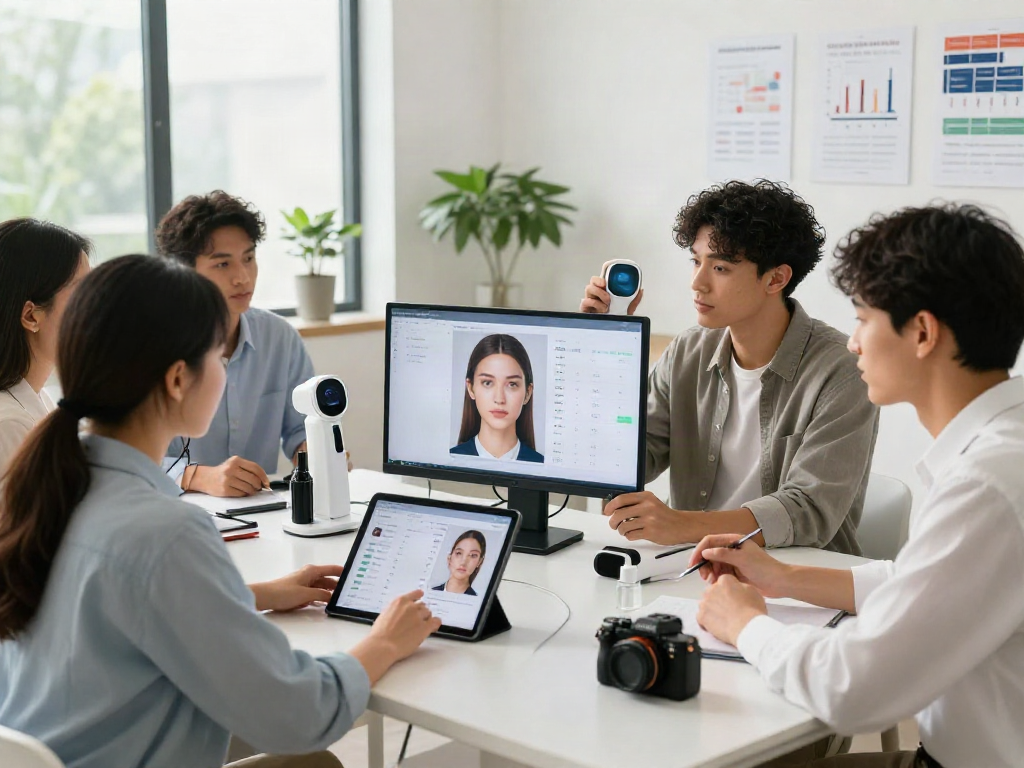
Understanding the Test of Attractiveness
In today's image-driven society, understanding one's attractiveness can have profound implications for personal branding and social interactions. A test of attractiveness is an innovative tool that utilizes artificial intelligence to evaluate facial features and provide insights into perceived beauty. These tests are increasingly popular, serving various purposes from enhancing self-esteem to providing data for social research. In this article, we will explore the mechanics of attractiveness tests, how they work, and what you can expect from engaging with them.
What is a Test of Attractiveness?
A test of attractiveness refers to an assessment that evaluates various facial features to provide a score reflecting beauty standards. These tests analyze parameters such as facial symmetry, proportions, and overall harmony, establishing a rating that indicates attractiveness on a predefined scale. The results can vary greatly depending on the model used for analysis, which might draw from statistical data on human preferences and cultural beauty norms.
How AI Powers Attractiveness Testing
Artificial intelligence plays a pivotal role in modern attractiveness testing by allowing for the processing of images and the extraction of key facial metrics. AI algorithms can analyze thousands of images to identify patterns associated with beauty. For example, a common metric is the golden ratio, which is a mathematical ratio often found in nature and art that is believed to represent aesthetically pleasing proportions. AI tools can quickly assess whether a face adheres to this ratio, alongside other factors such as skin clarity and feature alignment.
The Science Behind Attractiveness Metrics
The science of attractiveness metrics is rooted in psychological studies and sociological observations. Research has suggested that certain facial traits, like symmetry and average proportions, often contribute to perceptions of beauty. For instance, studies indicate that people tend to find symmetrical faces more appealing, as they are perceived as healthier or more genetically favorable. This section will delve deeper into the scientific principles and statistical analyses that underpin the measurements used in attractiveness tests.
The Benefits of Taking an Attractiveness Test
Engaging with attractiveness tests can have significant perks beyond mere curiosity. Understanding how beauty is quantified can help individuals navigate personal and social challenges, and it can foster better self-awareness regarding one's presentation in society.
Boosting Self-Confidence Through Feedback
Many people struggle with self-image, and receiving structured feedback can enhance confidence. A positive attractiveness score might help individuals feel more secure in social settings, leading to improved interactions and opportunities. Conversely, negative feedback can be a springboard for personal development and goals, encouraging individuals to seek improvements in their self-care and appearance.
Understanding Beauty Standards
Attractiveness tests not only assess individual beauty but also provide insights into broader cultural standards of attractiveness. These tools can reveal how societal trends fluctuate over time and show how different features are valued in varying cultures. This understanding can empower individuals to embrace or challenge these standards, fostering a healthier relationship with beauty.
Practical Applications of Attractiveness Results
Results from attractiveness tests can be utilized in numerous practical applications. From guiding cosmetic improvements to enhancing social media presence and personal branding, understanding one's attractiveness can influence various life aspects. Additionally, businesses and marketers leverage these insights to tailor products and services that align with beauty standards and consumer preferences.
Popular Attractiveness Tests Available Online
The market is flooded with various tools aimed at testing beauty, each offering unique features and benefits. Familiarizing oneself with these options can help users select the most effective test for their needs.
Top Features to Look for in an Attractiveness Test
When exploring different attractiveness tests, consider key features that can enhance the experience and reliability of results. Look for tests that:
- Utilize advanced AI algorithms for accurate analysis.
- Provide a clear breakdown of scoring metrics.
- Offer visual feedback, such as facial mapping.
- Include privacy measures for user-protected data.
Comparing Leading Attractiveness Tools
Several leading platforms offer comprehensive attractiveness assessments. Tools like the Face Report and Pretty Scale utilize advanced image processing to provide scores based on various beauty metrics. Comparing the features, benefits, and user experiences across these platforms can guide users in choosing the best fit for their needs.
User Experiences and Feedback
Personal testimonials from users can provide context and insight into the effectiveness of each tool. Many users report increased self-awareness and motivation following their attractiveness tests, while others have highlighted discrepancies in scores, prompting discussions about the subjective nature of beauty. Understanding these narratives can shape one's expectations and experiences when engaging with attractiveness tests.
Interpreting Your Attractiveness Score
Interpreting the results from an attractiveness test requires a nuanced approach. While scores may provide a numerical representation of beauty based on set metrics, they are also influenced by individual perceptions and cultural standards.
Understanding Your Results: What They Mean
Your attractiveness score reflects the analysis performed by the testing algorithm. A high score may indicate that your features align well with established beauty standards, while a lower score may point to areas for improvement. It's essential to understand that these scores are just one interpretation of your attractiveness and may not encompass your full worth.
Addressing Common Misconceptions
Attractiveness tests can sometimes perpetuate misconceptions about beauty. For instance, some may assume that a high score guarantees social success or personal happiness. In reality, attractiveness is multifaceted, encompassing charisma, confidence, and personal style, which are not adequately measured by a score alone.
Using Scores for Personal Improvement
Regardless of the score received, individuals can use their results as a starting point for personal development. This could involve enhancing skincare routines, experimenting with various styles, or improving posture and confidence in social situations. Ultimately, the goal should be personal satisfaction rather than solely adhering to external standards of beauty.
Future Trends in Attractiveness Testing
As technology continues to advance, the future of attractiveness testing holds exciting possibilities. Innovative approaches are set to reshape how beauty is perceived and assessed.
Emerging Technologies in Beauty Analysis
Future attractiveness tests may incorporate augmented reality (AR) and virtual reality (VR) to provide immersive feedback experiences. Such technologies could allow users to visualize potential changes to their appearance before they commit to cosmetic alterations, enhancing decision-making processes with real-time feedback.
Changing Perceptions of Attractiveness in 2026
As societal values evolve, perceptions of beauty are also shifting. An increasing emphasis on diversity and individuality suggests that attractiveness testing will adapt to include a broader range of features. These changes could focus on celebrating uniqueness rather than conforming to traditional standards.
How Social Media Influences Beauty Standards
Social media platforms continue to play a significant role in shaping beauty ideals. Influencers and trends can rapidly alter perceptions of attractiveness, promoting a fast-paced evolution of societal standards. Understanding this dynamic is crucial for individuals navigating their self-image in an increasingly digital world.
What is an attractiveness test?
Attractiveness tests are assessments that evaluate facial features against established beauty metrics, often powered by artificial intelligence and machine learning.
Can attractiveness tests be trusted?
While many tests employ advanced algorithms, trustworthiness can vary significantly. Users should approach results with a critical mindset and consider them one aspect of self-perception.
How to improve your attractiveness score?
Improvement can be achieved through personal grooming, enhancing health and fitness, and cultivating confidence and charisma, which can positively influence how attractiveness is perceived.
Are attractiveness tests scientifically accurate?
Scientific accuracy is contingent on the methodologies used; however, various studies on human preferences inform many assessment algorithms, providing a level of credibility.
What are the most effective attractiveness tests available?
The effectiveness of attractiveness tests often depends on their underlying technology and user interface. Tools that provide comprehensive feedback based on established metrics are generally more favorable.