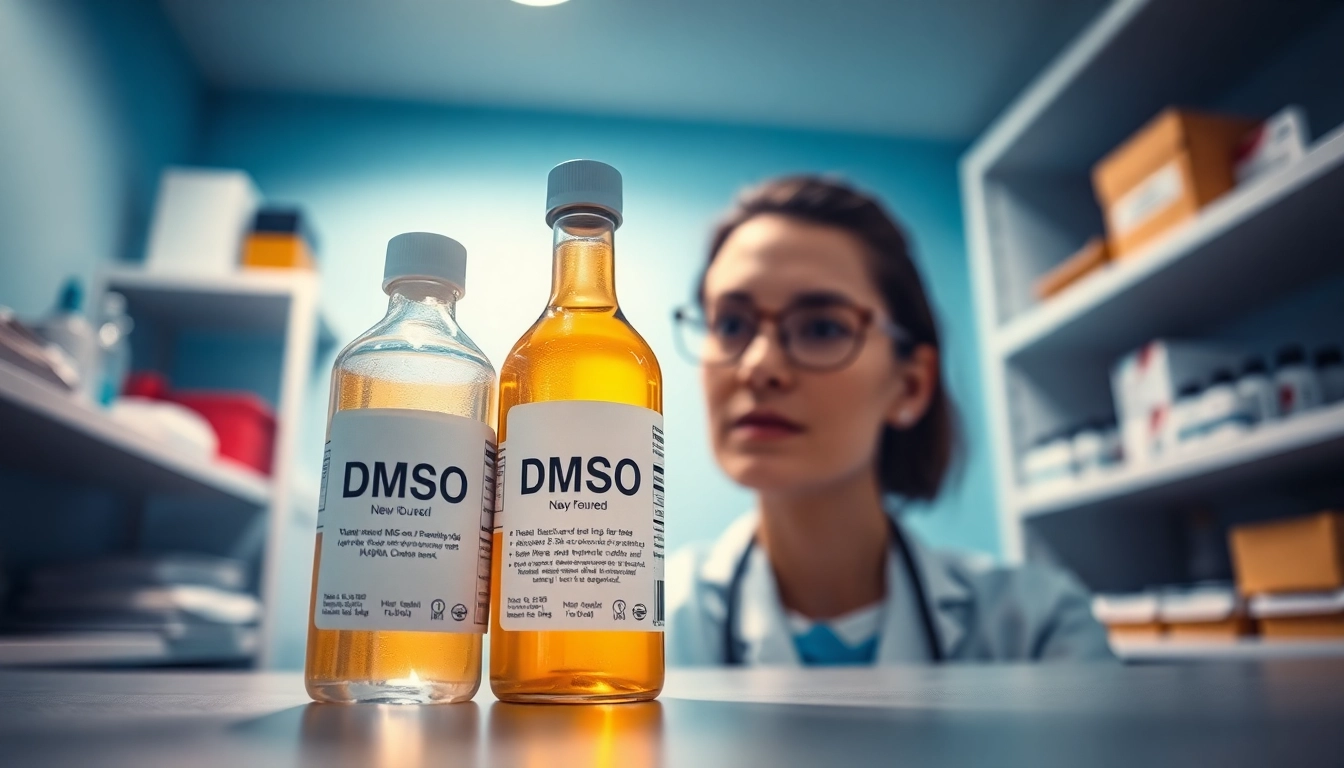
Introduction to DMSO and Its Uses
DMSO, or Dimethyl Sulfoxide, is a byproduct of wood processing that has gained attention in both medical and alternative health circles. Known for its unique properties as a solvent, it possesses the ability to penetrate biological membranes and has been explored for various therapeutic applications. As a natural compound, it's often discussed in the context of its potential medicinal benefits and safety concerns. This article aims to delve into the benefits of drinking dmso and elucidate its applications, safety, and evidence surrounding its use.
What is DMSO?
DMSO is an organosulfur compound with the chemical formula (CH₃)₂SO. It is a colorless, odorless liquid that is highly polar and effective in dissolving a wide range of organic and inorganic compounds. First identified in the 19th century, DMSO was initially used as an industrial solvent. Its potential medical applications were discovered in the 1960s, mainly focusing on its anti-inflammatory and analgesic properties.
Common Applications of DMSO
DMSO is utilized not only in research but also in clinical settings. Its applications include:
- Pain management: Topically applied DMSO may provide relief from inflammation and pain in conditions like arthritis.
- Skin penetration enhancer: DMSO is often used in conjunction with other medications to enhance their absorption through the skin.
- Cryopreservation: In laboratories, DMSO is employed as a cryoprotectant to preserve cells and tissues at low temperatures.
- Alternative therapies: Some alternative health practitioners use DMSO as a purported treatment for various ailments, including cancer.
Scientific Background and History of DMSO
The scientific community first recognized DMSO's medicinal properties in the early 20th century, leading to its experimental use in human subjects. Research during the 1960s and 1970s suggested it might effectively treat conditions like interstitial cystitis. However, due to mixed results and safety concerns, the FDA closely regulated its use, allowing approval primarily for specific medical applications.
Benefits of Drinking DMSO
Health enthusiasts often advocate the benefits of drinking dmso as a natural remedy for various conditions. Here, we’ll explore some of the most notable benefits that have garnered interest from both medical experts and the public.
Pain Relief and Inflammation Reduction
One of the most well-known benefits of DMSO is its potential to relieve pain and reduce inflammation. Clinical studies have indicated that DMSO may inhibit the inflammatory process, providing symptom relief for those suffering from painful conditions. By modulating the immune response, DMSO may help manage inflammatory diseases like arthritis or other musculoskeletal disorders. Anecdotal evidence suggests that drinking DMSO could enhance these effects from the inside out, although scientific validation remains limited.
Potential Uses in Cancer Treatment
Some researchers have proposed that DMSO might serve as a complementary treatment in oncology. Its ability to deliver other pharmaceutical agents effectively makes it a candidate for combination therapies. Various studies have shown that DMSO can enhance the absorption of anti-cancer drugs, potentially increasing their efficacy and minimizing adverse effects. However, this area is still under investigation, and definitive conclusions about its efficacy in cancer treatment remain elusive.
Improved Recovery and Healing
For athletes and individuals recovering from injuries, DMSO is touted for its potential to speed up recovery. By reducing inflammation and pain, it may facilitate a quicker return to activity. Some studies suggest that DMSO might also have antioxidant properties, aiding in cellular repair processes following injury or stress. Drinking DMSO could provide systemic benefits that enhance overall healing, but more research is needed to support these claims conclusively.
How to Use DMSO Safely
While the benefits of drinking dmso might be compelling, it is essential to approach its use with caution. Understanding how to use DMSO safely is critical to maximizing any potential health benefits while minimizing risks.
Recommended Dosages
There is no universal dosage for DMSO, as individual tolerance can vary. Typically, a lower concentration is advisable for beginners. Many health practitioners suggest starting with a diluted solution and gradually increasing the dosage while monitoring for side effects. It is crucial to consult a healthcare provider before starting any regimen, especially for those with pre-existing conditions.
Methods of Consumption
DMSO can be applied topically or ingested. For topical applications, it is essential to ensure that the skin is clean and free from contaminants to avoid introducing harmful substances into the body. When consumed, it is vital to use pharmaceutical-grade DMSO to ensure purity and safety. Mixing with water or juices can help improve taste and delivery.
Precautions and Warnings
Despite its potential benefits, DMSO is not without risks. Users must be aware of possible side effects, including skin irritation or an unusual taste in the mouth. Because DMSO enhances the absorption of other substances, it is vital to avoid applying it alongside medications or topical products, which could lead to unintended interactions. Pregnant and breastfeeding women should avoid DMSO due to insufficient safety data.
Research and Studies on DMSO
The body of research surrounding DMSO is expansive yet varied in quality and findings. Ongoing studies aim to clarify its benefits and limitations as a therapeutic agent.
Clinical Trials and Findings
Clinical trials have explored DMSO's use in conditions like interstitial cystitis and arthritis. Many studies support its anti-inflammatory and pain-relief benefits. However, due to a lack of large-scale, controlled trials, the scientific community has not reached a consensus on the broader applications of DMSO. This inconsistency highlights the necessity for further research to validate its effectiveness and safety profile comprehensively.
Limitations and Concerns
One of the primary concerns regarding DMSO research is the variability in preparation, dosing, and delivery methods among studies. Furthermore, ethical considerations and potential health risks have hindered the progression of clinical trials. Safety data remains limited, emphasizing the need for caution among users and more robust evidence before widespread recommendations can be made.
Future Potential of DMSO in Medicine
The future potential of DMSO in medicine could be profound, particularly in areas of regenerative medicine and pain management. Continued research may reveal new applications, enhanced formulations, or combination therapies that harness the synergistic effects of DMSO with other treatments. Its unique properties as a solvent and penetrating agent may open innovative avenues for drug delivery systems.
Frequently Asked Questions about DMSO
What health conditions can DMSO help with?
DMSO has been studied for its anti-inflammatory properties and may help alleviate pain from conditions like arthritis, interstitial cystitis, and even some neuropathic pain.
Is DMSO safe for everyone?
DMSO is not safe for everyone. It's crucial to consult a healthcare provider before use, especially for pregnant women, those with liver issues, or individuals on medications.
How does DMSO work in the body?
DMSO acts by penetrating cell membranes, reducing inflammation, and altering pain perception. It can also enhance drug absorption through the skin.
Can DMSO interact with other medications?
Yes, DMSO can enhance the absorption of other medications, which may lead to heightened effects or side effects. Always consult with a healthcare provider before combining treatments.
What are the side effects of DMSO?
Some potential side effects include skin irritation, a garlic-like taste in the mouth, and headaches. Monitoring for adverse reactions is crucial during use.