Understanding Transport Delays in Urban Settings
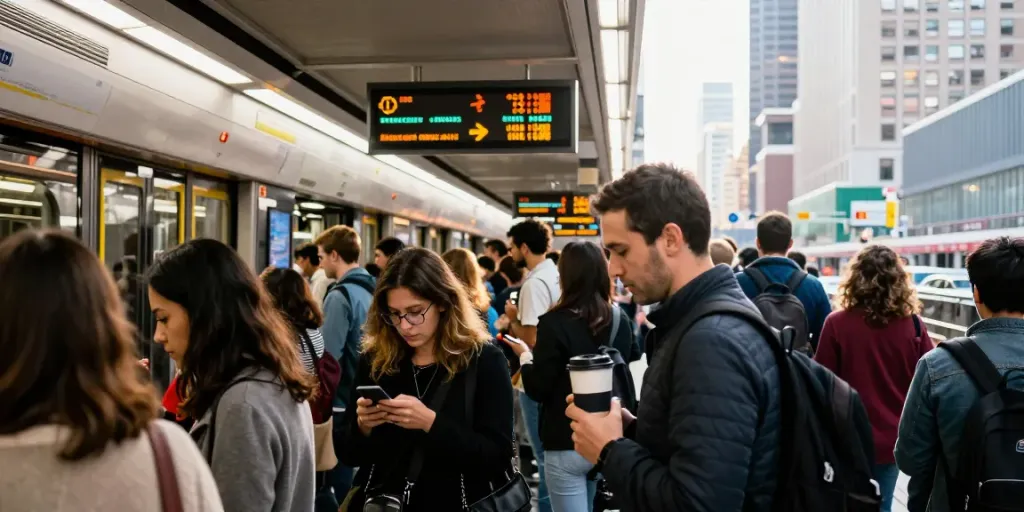
Transport delays, particularly in urban areas, can significantly disrupt the daily routines of commuters. With thousands relying on public transport such as trains, buses, and subways every day, understanding the nuances of these delays is crucial for effective travel planning. The advent of technology has provided new avenues for commuters to stay informed, including the use of mobile applications that provide real-time updates. One such resource that stands out is transport delays alerts, which help users navigate their journeys with greater confidence.
Definition and Scope of Transport Delays
Transport delays refer to any unexpected wait time experienced by commuters due to various factors that disrupt the normal schedule of public transportation. These delays can manifest in different forms, including late arrivals, cancellations, and extended travel times. The scope of these delays extends beyond just public transport; they can significantly affect freight movements, emergency responses, and overall urban mobility.
Common Causes of Transport Delays
Transport delays can arise from a multitude of factors:
- Weather Conditions: Adverse weather, such as heavy rain, snow, or storms can slow down or halt transit services.
- Technical Failures: Equipment malfunctions and failures in signaling systems may lead to no service or delayed transport.
- Traffic Congestion: In urban areas, vehicle congestion can impede buses and taxis, leading to longer travel times.
- Strikes and Industrial Action: Labor strikes often result in widespread disruptions across public transport systems, as seen in the case of the upcoming national strike planned in Italy.
- Accidents: Collisions or breakdowns on transport routes can block services and create cascading delays.
Impact of Transport Delays on Daily Commuters
The consequences of transport delays extend far beyond mere inconvenience. Delays affect commuters' productivity, disrupt personal schedules, and can even impact mental health due to the stress associated with uncertainty and unpredictable travel.
Additionally, frequent delays can lead to a loss of confidence in public transport systems, pushing commuters to opt for alternative modes of transport, such as personal vehicles, which can further exacerbate urban congestion.
Technological Solutions to Combat Transport Delays
Real-Time Notifications and Apps
To navigate the challenges posed by transport delays, technology has emerged as a powerful ally. Mobile applications that offer real-time notifications alert commuters about service interruptions, estimated wait times, and alternative routes. By providing timely updates, these tools empower users to make informed choices about their travel plans.
Data Analytics for Predicting Delays
Data analytics is another area where technology shines. By analyzing historical transit data, patterns in delays can be identified, allowing transportation authorities to predict potential issues before they occur. This proactive approach enables better resource allocation and improved public communication.
Integration of AI in Transportation Management
The introduction of Artificial Intelligence (AI) in transportation management systems is revolutionizing how urban transit operates. AI algorithms can optimize routes, adjust transit schedules in real-time, and analyze commuter patterns to enhance service reliability, ultimately reducing the likelihood and impact of transport delays.
Impact of Transport Delay Information on Commuter Behavior
Decision-Making with Delay Alerts
Access to real-time information about potential transport delays has a significant impact on commuter behavior. When commuters receive alerts about delays, they can choose to adjust their travel plans accordingly, whether it's leaving earlier, opting for a different route, or even selecting alternative transportation methods.
Adaptation of Travel Plans
Commuters often adapt their routines based on their experiences with transport delays. This adaptability can manifest in various ways, such as altering work hours, using different transit modes, or seeking out carpooling options to minimize disruptions.
Case Studies of Cities Improving Commuter Experience
Many cities around the world have successfully implemented systems to mitigate the impact of transport delays. For instance:
- Singapore: Utilizes an integrated transport management system that collects real-time data from various transport modes, making information readily available to commuters.
- New York City: Introduced the MTA's TrainTime app, providing real-time train arrival information and service alerts to facilitate informed decision-making.
- Tokyo: Employs advanced analytical models and AI to manage its vast rail network efficiently, minimizing delays and improving commuter experiences.
Future Trends in Managing Transport Delays
Emerging Technologies for Real-Time Updates
As technology advances, the landscape of public transport information is evolving. The future may see the integration of more sophisticated systems that leverage IoT (Internet of Things) devices for real-time monitoring of transport vehicles, thus enhancing the granularity and accuracy of delay information.
Policy Changes Influencing Transport Systems
Policy-makers play a crucial role in the management of transport delays. Regulations aimed at improving infrastructure, incentivizing the adoption of green technologies, and enhancing public transit systems can lead to a more resilient transport network. Effective collaboration between government, transit authorities, and technology providers is essential for this transformation.
The Role of Public Transportation in Sustainable Development
Public transportation is vital for sustainable urban development. Reducing transport delays enhances the reliability of transit systems, encouraging more people to use public transport, which in turn can reduce traffic congestion and decrease pollution levels in urban areas.
Frequently Asked Questions About Transport Delays
What steps can I take to minimize impacts from transport delays?
Being proactive is key. Utilize apps that provide real-time updates, plan your routes ahead of time, and remain flexible with your travel times when possible.
How are transport delays communicated to commuters?
Transport delays are typically communicated through various channels, including mobile apps, social media, official websites, and station announcements.
What technologies are most effective for reporting transport delays?
Mobile apps that provide push notifications, GPS tracking for real-time updates, and data analytics platforms for predictive modeling are among the most effective technologies for reporting transport delays.
Are transport delays increasing in major cities?
While the frequency of delays can vary by region and season, many major cities are experiencing increased delays due to rising populations and aging infrastructure.
How can city planning mitigate transport delays?
Investing in modern infrastructure, improving connectivity between different transport modes, and considering the integration of smart traffic management systems are all effective strategies for city planners.