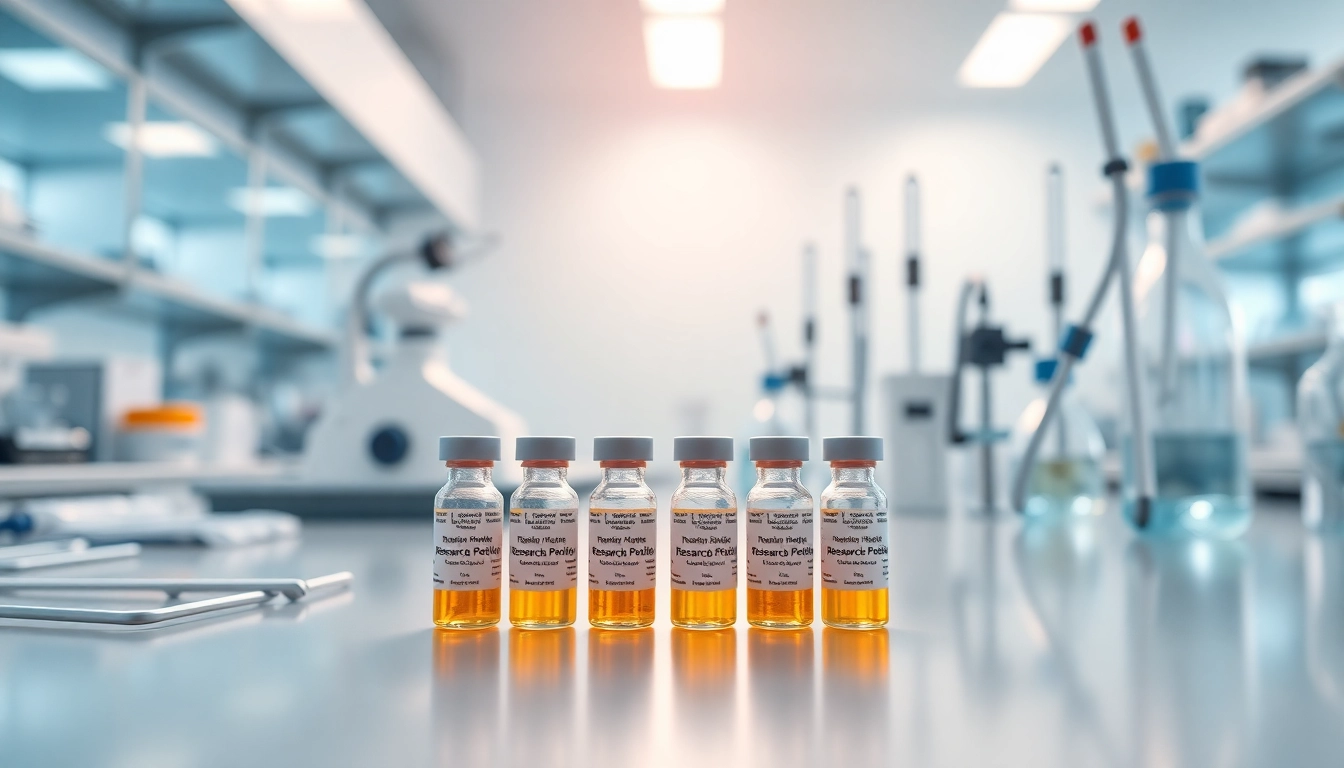
Introduction to Research Peptides
In the ever-evolving realm of biochemistry, research peptides are gaining attention for their diverse applications. These short sequences of amino acids play critical roles in cellular communication, signaling pathways, and therapeutic approaches. As interest in these biomolecules rises, many researchers are curious about how much do peptides cost, along with the various factors affecting their prices.
What Are Research Peptides?
Research peptides are specific sequences of amino acids that are synthesized for use in scientific investigations. Unlike traditional drugs, which are often large compounds, peptides offer a unique advantage due to their small size and ability to interact selectively with biological targets. They are primarily utilized in biomedical research, drug development, and diagnostics. Furthermore, peptides can influence a myriad of biological functions, making them versatile tools in the lab.
Common Types of Research Peptides
Research peptides can be categorized based on their function and structure. Some common types include:
- Neuropeptides: These peptides are involved in transmitting signals in the nervous system.
- Hormonal peptides: They include insulin and growth hormone, which regulate various physiological processes.
- Antimicrobial peptides: Known for their role in the immune response, these peptides help combat infections.
- Therapeutic peptides: These are designed for potential clinical use in treating various diseases.
Applications in Science and Medicine
The applications of research peptides are extensive. They are used in:
- Vaccine development: Peptides can generate immune responses, making them critical in vaccine formulation.
- Drug design: Peptide-based drugs are increasingly recognized for their specificity and efficacy in treating diseases.
- Diagnostics: Peptides can serve as biomarkers for disease detection.
Factors Influencing Peptide Prices
Understanding the costs associated with research peptides requires an analysis of several influencing factors. These factors can significantly vary, leading to price discrepancies across suppliers.
Quality and Purity Standards
The purity of peptides is paramount in research settings. Higher purity levels often come with increased costs due to rigorous testing and quality control processes. Peptides intended for therapeutic use must meet stringent purity standards (typically above 95%), while research-grade peptides may have acceptable thresholds that could lower costs.
Supplier and Manufacturer Variability
Not all suppliers provide the same level of quality. The reputation of the supplier, combined with their manufacturing processes, can lead to significant price differences. Established suppliers may charge more but often ensure higher reliability and quality assurance protocols, reducing the risk of obtaining subpar products.
Market Demand and Research Expansion
As the demand for research peptides continues to grow, influenced by advancements in biotechnology and personalized medicine, prices may fluctuate. An increase in research initiatives and therapeutic applications can lead to higher demand, impacting the overall pricing structure.
Average Costs of Research Peptides
To gauge the affordability of peptides, it’s essential to consider average price ranges, particularly for popular peptides, and available budget-friendly options for researchers.
Price Ranges for Popular Peptides
While prices can vary significantly, here are general estimates for common research peptides:
- Growth Hormone Releasing Peptides: $20 - $100 per mg.
- Insulin: $50 - $200 per mg.
- GHRP-6: $25 - $75 per mg.
- Melanotan II: $30 - $150 per mg.
Cost Effective Options for Researchers
For researchers on a budget, selecting suppliers with competitive pricing or opting for bulk purchasing can provide significant savings. Additionally, considering research-grade peptides instead of pharmaceutical-grade options can also reduce costs, as long as the purity levels are adequate for the intended application.
Insights on Pricing Trends
Recent trends suggest that while the initial costs for peptides might be high, advances in technology are driving prices down. More efficient synthesis methods and increased competition in the market are contributing to a gradual decrease in prices, making research peptides more accessible to a wider range of researchers.
Purchasing Research Peptides Safely
The process of procuring research peptides needs to be approached with caution. Ensuring product quality and authenticity is vital to successful research outcomes.
Identifying Reputable Suppliers
When looking for suppliers, consider those with positive reviews and established histories in the field. Look for transparency regarding their sourcing, manufacturing processes, and testing methodologies, as this can indicate their commitment to quality.
Understanding Risks and Quality Assurance
Buying low-cost peptides often carries the risk of quality issues. Understanding the potential risks involved with low-quality products is essential. It’s advisable to verify whether suppliers adhere to Good Manufacturing Practices (GMP) and provide Certificates of Analysis (CoA).
Comparing Prices Effectively
Comparing prices across different suppliers can be cumbersome. However, creating a spreadsheet to track price per mg, shipping costs, and any discounts for bulk purchases can streamline the selection process and ensure you're receiving the best value.
Frequently Asked Questions
1. How much do peptides cost on average?
On average, research peptides can range from $20 to over $200 per mg, depending on the type and purity of the peptide.
2. What factors affect peptide pricing?
Factors influencing peptide pricing include quality standards, supplier reputation, manufacturing processes, and market demand.
3. Are cheaper peptides low quality?
Not necessarily. While lower prices can indicate reduced quality, reputable suppliers may offer competitive pricing without compromising integrity.
4. Where can I buy research peptides safely?
Buying from established suppliers that provide certification and have positive reviews can help ensure safe transactions.
5. How do I ensure the peptides I buy are authentic?
Requesting Certificates of Analysis and verifying supplier practices can help confirm the authenticity of peptides before purchase.