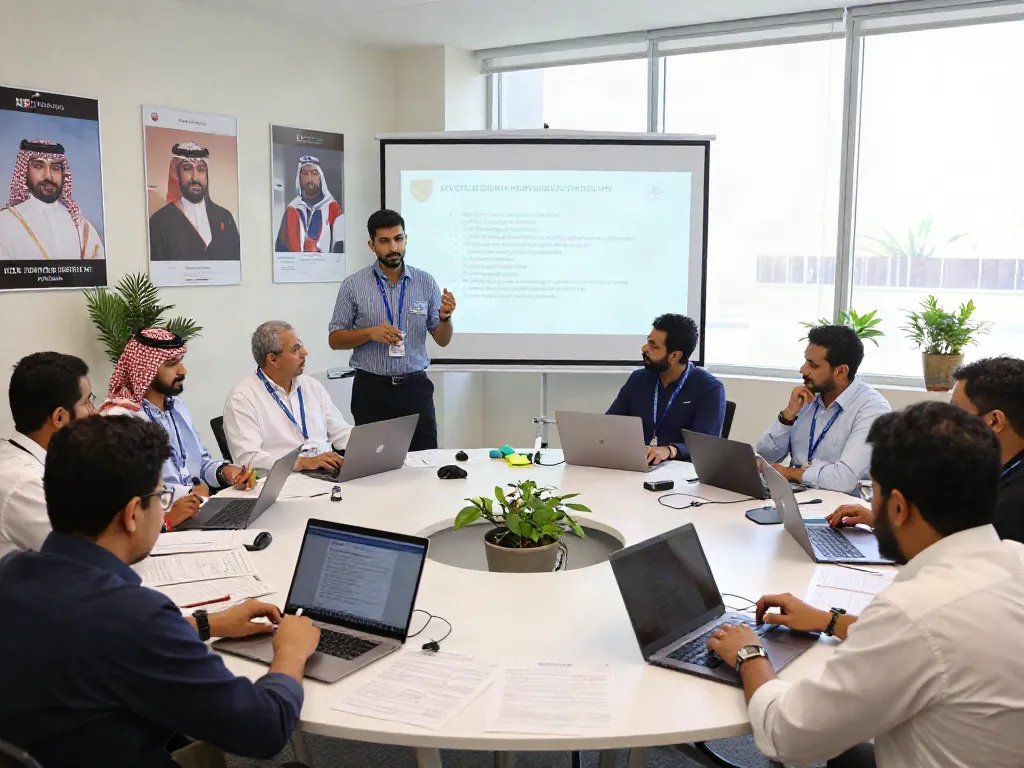
Understanding HSE Training Landscape in Saudi Arabia
Health, Safety, and Environmental (HSE) training is of paramount importance in Saudi Arabia, where industries like oil and gas, construction, and manufacturing dominate the economy. With ever-evolving regulations and standards, organizations are increasingly recognizing the necessity of investing in comprehensive training programs. When exploring options, Training Institute Saudi Arabia offers comprehensive insights into top-notch training solutions.
Overview of Health and Safety Regulations
The Kingdom of Saudi Arabia has established a robust framework of health and safety regulations to protect workers across various sectors. The main regulatory body, the Saudi Ministry of Human Resources and Social Development, mandates compliance with international standards such as ISO certifications. Compliance not only enhances workplace safety but also minimizes legal risks and boosts productivity.
In recent years, the Saudi government has placed a strong emphasis on improving workplace conditions, driven by Vision 2030, which aims to diversify the economy and reduce reliance on oil. This includes stricter regulations on HSE training, placing the onus on employers to ensure their workforce is adequately trained and certified.
Recent Trends in HSE Training
The landscape of HSE training in Saudi Arabia is changing rapidly due to several factors, including technological advancements and the increased focus on sustainability. Remote training solutions are becoming more popular, allowing organizations to provide training that is flexible and tailored to employees' needs. This shift was notably accelerated by the COVID-19 pandemic, which highlighted the necessity for adaptable training methods.
Moreover, the integration of technology in training—such as virtual reality and e-learning platforms—has enabled trainees to engage in immersive learning experiences. This approach not only enhances knowledge retention but also simulates real-world scenarios that employees may face on the job, ultimately leading to safer workplaces.
Key Certifications Offered by Leading Institutes
Top training institutes in Saudi Arabia, such as Burraq Consulting, offer a range of globally recognized certifications. Key certifications include:
- ProQual Level 6 Diploma in Occupational Health and Safety Practice
- ProQual Level 7 Diploma in Strategic Health and Safety Leadership and Management
- NVQ Level 3 Certificate in Occupational Health and Safety
- National Fire Protection Association (NFPA) Certifications
- IOSH Managing Safely
- ISO 45001:2018 for Occupational Health and Safety Management Systems
These certifications not only enhance the skills of professionals but also improve organizational effectiveness and compliance with both local and international standards.
The Importance of Selecting the Right Training Institute
Choosing the right training institute is critical for individuals seeking to advance their careers in HSE. The quality and reputation of the training provider can significantly impact the value of the certification received.
Evaluating Accreditation and Reputation
It’s essential to ensure that the training institute is accredited by recognized bodies such as the National Fire Protection Association (NFPA) or ProQual (UK). These accreditations assure participants that the training meets high educational standards and is recognized internationally. When researching training options, also consider alumni feedback, which can provide insight into the effectiveness and quality of the training programmes.
Comparing Training Methodologies
Different training methodologies cater to diverse learning preferences. Some institutes may emphasize hands-on training through workshops and simulations, while others may lean towards theoretical instruction via online platforms. A hybrid approach often provides the best outcomes, combining practical engagement with foundational knowledge.
Cost Considerations and Financial Options
Training costs can vary significantly across different institutes, influenced by factors such as accreditation, location, and course duration. Many institutes offer flexible payment options, group discounts, and financial aid for bulk enrollments, enabling employers to invest in their workforce without excessive strain on their budgets.
Overview of ProQual and NFPA Certifications
ProQual and NFPA certifications are among the most sought-after qualifications in the HSE sector. Understanding their importance can guide both employers and employees in making informed choices.
Benefits of ProQual Accreditation
ProQual accredited courses are recognized for their rigorous training standards, which equip participants with the skills needed to uphold safety and environmental regulations effectively. These qualifications directly contribute to professional growth and are often a prerequisite for higher-level HSE roles within organizations.
Significance of NFPA Certification in Saudi Arabia
The NFPA certification is critical for professionals involved in fire prevention and safety. This globally recognized credential demonstrates a thorough understanding of fire protection standards and regulations, making it invaluable for roles in industries such as oil & gas and construction.
Success Stories from Certified Professionals
Many professionals have leveraged their certifications to advance their careers. For instance, a certified HSE manager in the oil sector reported a 30% increase in salary after acquiring the ProQual Level 7 Diploma, highlighting the financial and professional benefits of HSE qualifications.
Effective Strategies for Maximizing Learning Outcomes
To extract the maximum value from HSE training, participants should engage proactively with the training content and their peers.
Engaging with Experienced Trainers
Learning from experienced trainers who have real-world industry knowledge can significantly enhance the training experience. These trainers provide invaluable insights, share best practices, and prepare participants for various challenges faced in the workplace.
Utilizing Practical Exercises for Better Retention
Incorporating practical exercises allows participants to apply theoretical knowledge, which helps to solidify learning. Activities such as scenario-based training or simulation drills prepare individuals for emergency situations and decision-making under pressure.
Networking Opportunities During Training
Training sessions offer a unique opportunity to network with fellow professionals. Building connections can lead to collaborative opportunities and enhance career prospects. Engaging actively in discussions and group projects can result in lasting professional relationships.
Future Trends in HSE Training by 2026
The future of HSE training appears promising, with several trends emerging that will shape the landscape through 2026 and beyond.
Rise of Online Learning Platforms
The continued expansion of online learning platforms is making HSE training more accessible than ever, allowing professionals from remote areas to participate in high-quality courses without the need for travel. This trend is transforming how training is delivered, emphasizing flexibility and convenience.
Integration of Technology in Training Processes
Technology will continue to play a significant role in HSE training with advancements in virtual and augmented reality, allowing participants to experience immersive learning environments. These technologies can enhance understanding of complex safety procedures through realistic simulations.
Emerging Standards and Compliance Protocols
As industries evolve, so will the standards governing health and safety. New compliance protocols will emerge, demanding ongoing education and certification updates for professionals in the field. Staying abreast of these developments will be essential for maintaining competitive advantage.
What Are the Key Career Opportunities in HSE?
HSE professionals are increasingly in demand across various sectors, including construction, manufacturing, and oil & gas. Key roles include Safety Managers, Compliance Officers, Environmental Health Specialists, and Training Coordinators. These positions not only offer lucrative salaries but also opportunities for career advancement.
How Can HSE Training Impact Job Marketability?
HSE training enhances job marketability by equipping professionals with essential skills and recognized certifications. Employers often prioritize candidates who possess formal training and qualifications, making HSE training a pivotal factor in securing desirable positions.
What Are the Requirements for NFPA Certification?
To qualify for NFPA certification, candidates typically need to demonstrate relevant work experience and complete specific training modules. Institutions offering NFPA courses provide guidance on these requirements, ensuring that candidates are well-prepared for certification exams.
How Do Different Training Formats Compare?
Training formats vary widely, from traditional classroom settings to online modules and hybrid approaches. Each format has its benefits and drawbacks. For example, online training offers flexibility but may lack the personal interaction of in-person sessions, which can be critical for practical skill development.
What Are the Financial Aid Options for Training in Saudi Arabia?
Several organizations and institutions in Saudi Arabia offer financial aid options or scholarships for HSE training. Employers may also have programs to sponsor employee training, making it more affordable for individuals pursuing their qualifications.
What Are the Future Projections for HSE Careers in Saudi Arabia?
As industries continue to evolve in Saudi Arabia, the demand for HSE professionals is expected to increase. Factors such as the ongoing development of large-scale projects, coupled with heightened awareness of safety regulations, will drive this demand. Consequently, careers in HSE will likely become more lucrative and influential in shaping organizational policies and practices.