The Importance of Real-Time Train Tracking
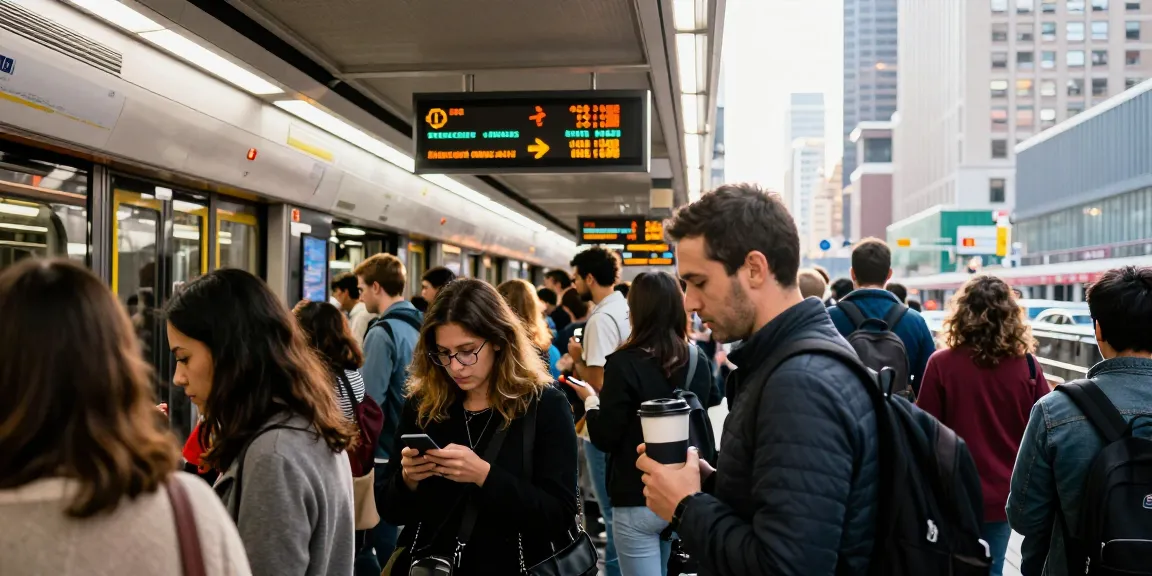
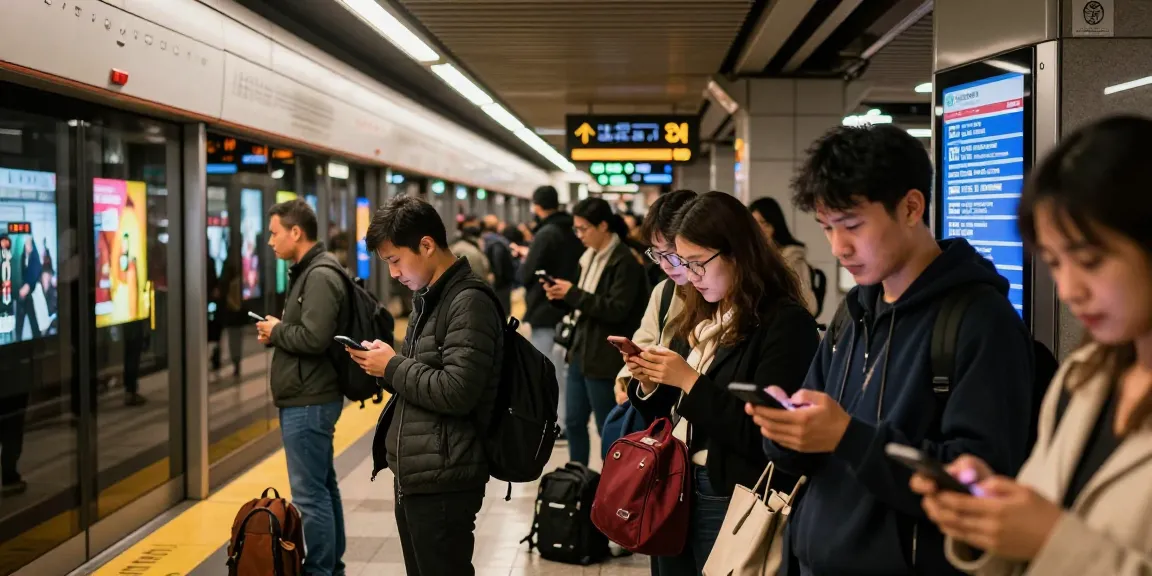
As urban populations grow and the demand for efficient public transport increases, the need for real-time train tracking has become paramount. Commuters no longer have the luxury of waiting in uncertainty; they expect real-time data to inform their travel decisions. A train tracker provides not only timely updates on train arrivals but also integrates various functionalities that enhance the overall commuter experience. With advanced technology, commuters can plan their journeys more effectively than ever, reducing both travel time and stress.
Understanding the Benefits of a Train Tracker
Real-time train tracking systems offer a host of benefits that boost convenience, efficiency, and satisfaction for passengers. For starters, these systems provide:
- Accurate Arrival Times: With instant updates on train locations, commuters have real-time visibility into when their train will arrive, helping them minimize wait times.
- Service Alerts: Notifications about delays, cancellations, or emergency situations are crucial for helping passengers adjust their plans proactively.
- Accessibility Features: Many train tracking apps offer features designed for individuals with disabilities, providing information about accessible stations and services.
How Real-Time Data Enhances Commuter Experience
Real-time data transforms the commuting experience significantly. Through intuitive applications, passengers can not only check train schedules but also receive updates on their mobile devices. This level of connectivity means commuters can make informed decisions, such as opting for alternative routes if delays occur. The availability of journey planning tools that factor in real-time data further aids passengers in navigating complex transit systems.
Challenges in Real-Time Train Tracking Systems
Despite the advantages, real-time train tracking systems face several challenges. Technical issues, such as signal loss or software bugs, can disrupt the flow of data, compromising accuracy. Additionally, variations in how different transit agencies manage their data can lead to inconsistencies in user experience. Ensuring that data remains reliable is crucial, as any discrepancy can erode user trust and satisfaction.
Exploring the Technology Behind Train Tracking
Understanding the technology that powers train tracking can provide insight into how these systems function. Central to many modern solutions is the General Transit Feed Specification Realtime (GTFS-Realtime), a powerful standard that facilitates seamless integration of live transit data.
GTFS-Realtime: The Backbone of Train Tracking
GTFS-Realtime is an open-source data feed format that allows transit agencies to share real-time information with developers and applications. This format supports various data types, including vehicle positions, trip updates, and service alerts, ensuring users receive timely and accurate information. By tapping into GTFS-Realtime, platforms can create a cohesive and comprehensive view of train operations, drastically improving the user experience.
Integrating Real-Time Data into User Applications
The integration of real-time data into user applications involves several layers of complexity. Developers must ensure that the data refreshes frequently and that it is displayed meaningfully. Moreover, optimizing data for mobile devices requires thoughtful design to ensure usability. These real-time interfaces must balance responsiveness with information density, providing users with what they need without overwhelming them.
Innovative Developments in Train Tracking Technology
Innovation in train tracking technology is rapidly evolving. From machine learning algorithms that predict delays based on historical data to mobile applications that provide customizable alerts, the enhancements aim to create a seamless travel experience. Moreover, the integration of Artificial Intelligence (AI) offers potential advancements in optimizing route efficiency and managing operational challenges.
Comparative Analysis of Train Tracking Solutions
With the expansion of technology, several train tracking platforms have emerged, each with unique features tailored to different user needs. A comparative analysis can help users find the best fit for their transit needs.
Leading Train Tracker Platforms in 2026
As of 2026, various platforms dominate the train tracking market, each offering unique functionalities. For example, some applications focus on user-generated content, allowing users to report delays, while others prioritize data accuracy and real-time updates sourced directly from transit agencies. Platforms like “TransitApp” and “Citymapper” continue to innovate, offering superior user experiences and integrations with other transportation services.
Evaluating User Friendliness and Features
User-friendliness is critical in determining the effectiveness of a train tracking solution. Apps must be easy to navigate, with intuitive interfaces that allow users to find relevant information quickly. Features such as journey planners, customizable alerts, and historical data analysis contribute to a user-friendly experience, leading to higher engagement and satisfaction.
Market Trends: How Competitors Are Engaging Users
Market trends indicate that companies are increasingly focusing on user engagement strategies to enhance loyalty and daily usage. Gamification, social sharing features, and personalized content are among the tactics companies employ. These strategies not only help attract new users but also retain existing ones by creating an interactive experience that exceeds basic informational needs.
Future Trends in Train Tracking Innovations
As we look toward the future, the evolution of train tracking technology is poised to continue shaping the transportation landscape. Key trends will likely be influenced by advancements in technology and changing commuter needs.
AI and Machine Learning in Train Tracking
AI and machine learning are set to revolutionize train tracking by enabling predictive analytics. Smart algorithms can analyze historical data and current trends to forecast potential delays and optimize schedules. Such systems not only enhance operational efficiency but also improve the commuter experience by providing even more accurate real-time information.
The Role of Smart Cities in Transit Solutions
Smart cities are changing the way public transit operates, incorporating IoT devices to collect and analyze data. Through this interconnectedness, transit agencies can manage resources more effectively, reducing congestion and improving on-time performance. Train trackers that leverage smart city infrastructure will offer enhanced functionality, such as seamless integration with other modes of transport.
Predictions for 2026: What to Expect Next
Looking ahead to 2026, we can expect significant advancements in user interfaces, such as augmented reality (AR) features for navigation and enhanced communication between transit agencies and users. Furthermore, improvements in predictive analytics will enable more reliable service, contributing to greater user satisfaction and possibly increased ridership as public transport becomes a more appealing option.
Getting the Most Out of Your Train Tracker
To maximize the benefits of a train tracking system, users should adopt best practices that enhance their experience and ensure they derive the most accurate information.
Best Practices for Using Train Tracking Apps
Regularly updating your train tracking app is essential to ensure you have access to the latest features and data. Users should also familiarize themselves with the app's settings, enabling notifications for delays and service alerts tailored to their regular routes.
How to Customize Notifications for Optimal Use
Customizing notifications can dramatically improve the utility of train tracking apps. Users can specify which routes or services they want to be alerted about, thereby receiving relevant updates without unnecessary noise. This personalized approach allows commuters to remain informed while maintaining control over the amount of information they receive.
Case Studies: Successful Train Tracker Implementations
Several cities have implemented train tracking systems with notable success. For instance, New York City's MTA has developed an effective online tool that allows users to track their trains in real-time, significantly improving user satisfaction. By adopting a user-centric focus, transit agencies can increase ridership and foster positive perceptions of public transport.
What Features to Look for in a Train Tracker?
When evaluating a train tracking app, users should consider features such as real-time updates, user-friendly interfaces, route planning capabilities, and robust notification systems. Additionally, apps that offer information about the entire transit system, not just trains, provide comprehensive insights that enhance the commuting experience.