Understanding Garage Floor Coatings
Garage floor coatings are an essential part of maintaining and enhancing the functionality and aesthetics of your garage space. These coatings transform bare concrete into a durable, high-gloss surface that not only looks good but also withstands the rigors of daily use. When exploring options, Garage Floor Coatings provide comprehensive insights into the various solutions available for homeowners. In this article, we will explore what garage floor coatings are, the different types available, their benefits, and more.
What are Garage Floor Coatings?
Garage floor coatings are protective and decorative layers applied over concrete surfaces in garages. These coatings can be made from various materials, including epoxy, polyaspartic, and polyurea, each offering unique characteristics and benefits. The primary function of these coatings is to protect the concrete substrate from stains, spills, abrasions, and temperature fluctuations, while also enhancing the visual appeal of the flooring.
Types of Garage Floor Coatings Available
There are several types of garage floor coatings available, each suited for different needs and preferences:
- Epoxy Coatings: A popular choice, epoxy coatings are known for their durability, chemical resistance, and high-gloss finish. They are also relatively easy to apply, making them suitable for DIY projects.
- Polyaspartic Coatings: This type of coating cures quickly, making it ideal for projects that require fast turnaround times. Polyaspartic coatings are UV stable, which prevents yellowing and makes them suitable for indoor and outdoor use.
- Polyurea Coatings: Known for their flexibility and durability, polyurea coatings are resistant to cracking and peeling. They are often used in high-traffic areas due to their resilience.
- Concrete Stains and Sealers: While not traditional coatings, stains and sealers can enhance the color and finish of concrete surfaces while providing some level of protection.
Benefits of Using Garage Floor Coatings
The benefits of applying garage floor coatings extend beyond aesthetics. Some key advantages include:
- Increased Durability: Coatings protect concrete from wear and tear, extending the floor's lifespan.
- Improved Safety: Many coatings can include anti-slip additives to reduce the risk of slips and falls.
- Easy Maintenance: Coated floors are easier to clean and maintain compared to bare concrete.
- Enhanced Appearance: Available in various colors and finishes, coatings can elevate the overall look of your garage.
- Environmental Benefits: Many modern coatings are made with VOC-free materials, making them a safer and more environmentally friendly choice.
Common Misconceptions About Garage Floor Coatings
Despite their popularity, several misconceptions surround garage floor coatings that can lead to confusion for homeowners. Addressing these myths can help in making informed decisions.
Debunking Myths Surrounding Epoxy Coatings
One prevalent myth is that all epoxy coatings are the same. In reality, the quality and performance of epoxy can vary significantly based on the formulation and application process. Higher quality products typically provide better adhesion and durability than budget options.
Choosing Quality Over Cost: Why It Matters
Another misconception is that a lower price equals better value. While budget options may seem appealing, they often lack the longevity and performance of higher-quality coatings. Investing in quality materials can save money in the long run by reducing the frequency of needed repairs and reapplications.
Understanding VOCs and Their Impact
Many people are unaware of what VOCs (Volatile Organic Compounds) are and their potential impacts on health and the environment. VOCs are chemicals that can be released into the air as gases from certain solids or liquids, including paints and coatings. Choosing VOC-free products is crucial for a safer indoor environment.
Key Considerations Before Application
Before applying garage floor coatings, several factors should be considered to ensure the best results.
Preparing Your Garage for Coating
Proper preparation is vital for the success of the application process. This includes cleaning the floor thoroughly to remove any dust, grease, or oil that could affect adhesion. Additionally, repairing any cracks or imperfections in the concrete before coating is essential to achieving a smooth finish.
Selecting the Right Color and Finish
Choosing the right color and finish can significantly affect the look and functionality of your garage floor. Lighter colors can enhance the lighting in a garage, while darker colors can hide stains and dirt better. Glossy finishes may be more visually appealing, but matte finishes can be more forgiving in terms of visible wear.
Identifying Potential Issues with Concrete
Before applying any type of coating, it’s important to assess the condition of the concrete. Issues such as moisture problems, cracks, or spalling can hinder the performance of the coating. Conducting a moisture test can help determine if the surface is suitable for coating.
Best Practices for Installing Garage Floor Coatings
For those looking to tackle the installation of garage floor coatings themselves, following best practices can lead to a successful outcome.
Step-by-Step Guide to Application
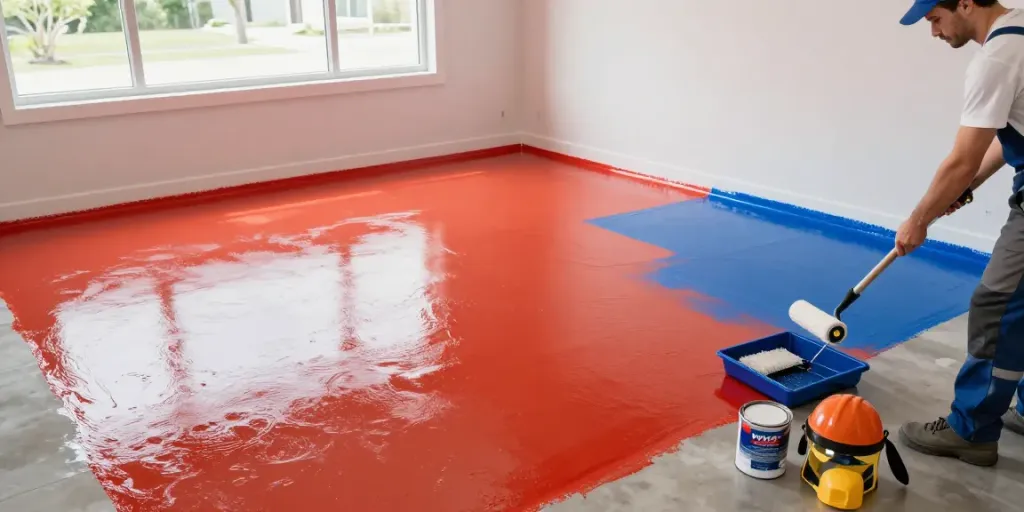
The application process typically involves preparing the surface, mixing the coating materials according to manufacturer instructions, applying the first coat, allowing it to cure, and then applying a second coat if needed. Each step should be followed carefully to ensure proper adhesion and durability.
Tools and Materials Required
Essential tools for applying garage floor coatings include a power washer for cleaning, mixing buckets, rollers, squeegees, and safety gear such as gloves and masks. Make sure to read the product specifications to ensure you have all necessary materials before starting the project.
Tips for Achieving a Professional Finish
To achieve a professional-looking finish, work in small sections, and use a consistent application method. Pay particular attention to corners and edges, where coating can be easily missed. Allow for proper curing time between each coat, and ensure adequate ventilation during the application process.
Future Trends in Garage Floor Coatings
As we head into 2026, several trends are emerging within the garage floor coatings industry that may influence consumer choices.
Innovative Materials and Techniques for 2026
Advancements in technology are leading to the development of new materials that offer enhanced performance characteristics, such as greater UV resistance and better adhesion properties. Expect to see more products designed for quick application and curing, which can be particularly appealing to homeowners who want minimal downtime.
Eco-friendly Advances in Garage Coatings
With a growing awareness of environmental issues, manufacturers are focusing on creating more eco-friendly coating products. These include low-VOC and water-based options that maintain durability without the harmful effects of traditional coatings.
Predicted Market Changes and Consumer Preferences
As more homeowners become aware of the benefits of garage floor coatings, demand is expected to increase. Preferences may also shift toward customizable solutions that allow for unique designs and finishes, reflecting individual styles and interests.
What is the best coating to put on a garage floor?
The best coating typically depends on your specific needs and environment. For a combination of durability and cost-effectiveness, epoxy coatings are often recommended. However, for fast-drying and UV-resistant options, polyaspartic may be superior.
What is the downside of epoxy flooring on concrete?
One of the downsides of epoxy flooring is its sensitivity to moisture during application. If the concrete is not adequately prepared and moisture-free, the coating may not adhere properly, leading to peeling or bubbling.
What is the average cost of coating a garage floor?
The cost of coating a garage floor can vary widely based on materials and labor. On average, homeowners can expect to spend between $3 to $12 per square foot, depending on the type of coating used.
Is coating a garage floor worth it?
Coating a garage floor is often well worth the investment, as it enhances both the appearance and durability of the space. The long-term protection against spills, stains, and abrasions makes it a practical choice for any homeowner.
How long does a garage floor coating last?
The lifespan of a garage floor coating can range from 5 to 15 years depending on the type of coating and the conditions it is subjected to. Regular maintenance can extend its lifespan significantly.