Understanding Ceramic Radiators: An Overview
Ceramic radiators have emerged as a popular choice for home heating in recent years. These electric heating appliances utilize ceramic cores to provide efficient and effective warmth, catering to various heating needs at home. When exploring options, ceramic radiator technology stands out due to its ability to retain heat longer and distribute it evenly compared to traditional heating methods. In this guide, we will delve into how ceramic radiators work, their benefits, potential drawbacks, and essential considerations for purchasing one.
What is a Ceramic Radiator?
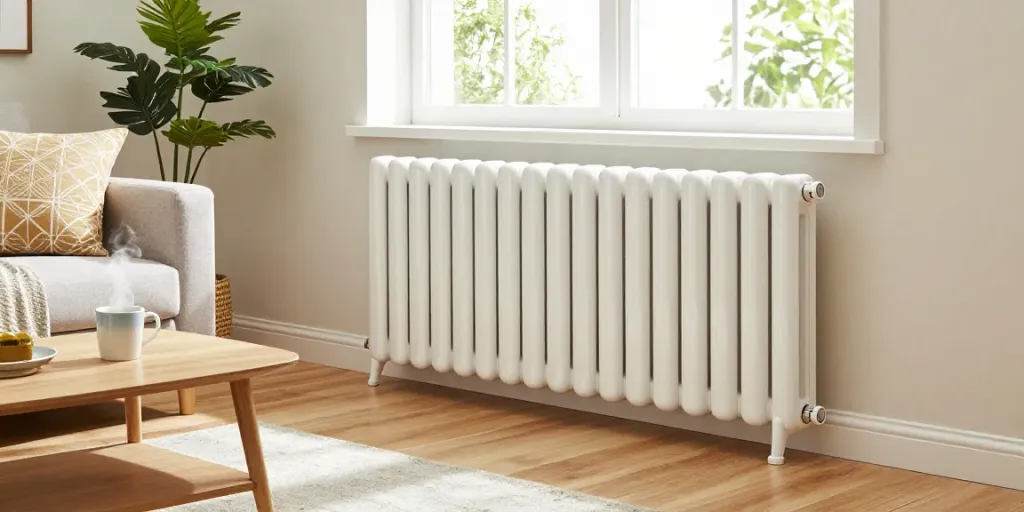
A ceramic radiator is an electric radiator equipped with a high-density ceramic core that serves as its heating element. Unlike conventional radiators that may rely on fluid to transfer heat, ceramic radiators utilize the ceramic’s thermal properties to absorb and radiate heat effectively. This technology allows the radiator to provide warmth even after the heating element has been switched off, making it an excellent solution for sustainable heating.
How Ceramic Radiators Work
Ceramic radiators operate on the principle of electrical resistance heating. When electricity passes through the ceramic core, the material generates heat. This heat is then released into the surrounding air using three primary heat transfer mechanisms: conduction, convection, and thermal radiation. The ceramic core's ability to retain heat ensures that the ambient temperature remains consistent, which is particularly beneficial for creating a comfortable living environment.
Key Benefits of Ceramic Radiators
- Energy Efficiency: Ceramic radiators are known for their high energy efficiency. They convert nearly 100% of the electricity consumed into heat, minimizing energy waste.
- Heat Retention: The ceramic core retains heat for extended periods, which means that even after the power is off, the radiator continues to emit warmth for up to 45 minutes.
- Quiet Operation: Unlike many other heating systems, ceramic radiators operate quietly, making them suitable for bedrooms, offices, and other spaces where silence is preferred.
- Easy Installation: Many ceramic radiators are designed for plug-and-play installation, eliminating the need for complicated plumbing or professional installation.
Comparing Ceramic Radiators and Other Heating Systems
To fully appreciate the advantages of ceramic radiators, comparing them with other common heating systems is essential. This comparison will highlight where ceramic radiators excel and where they may fall short.
Ceramic Radiators vs. Oil-Filled Radiators
Oil-filled radiators have long been favored for their ability to provide consistent warmth. While they utilize a heating element to warm oil, ceramic radiators offer quicker heating times and better heat retention. Once a ceramic radiator is heated, it can maintain warmth more effectively, thereby reducing overall energy consumption.
Advantages of Ceramic Heating Over Conventional Systems
Ceramic heating has distinct advantages over conventional heating methods, such as baseboard heating or forced air systems. For instance, ceramic radiators do not require ductwork and thus eliminate issues related to duct loss. They also provide targeted heating, allowing users to heat specific rooms rather than an entire house, leading to potential energy savings.
Common Misconceptions About Ceramic Radiators
Despite their many benefits, there are misconceptions surrounding ceramic radiators. Some users believe they are too expensive to run. In reality, when sized correctly and used efficiently, they often prove to be cheaper than oil-filled alternatives, primarily due to their heat retention capabilities.
Cost Efficiency and Energy Consumption
Understanding the operational cost of ceramic radiators is crucial for potential buyers. Evaluating energy costs and consumption can help consumers make informed decisions.
Are Ceramic Radiators Cheap to Run?
Generally, ceramic radiators are economical to operate. The cost of running a ceramic radiator is primarily determined by its wattage and the total hours of operation. Since ceramic core radiators continue to emit heat even after being turned off, they often require less electricity than traditional electric heaters that need to run continuously.
Factors Influencing Operating Costs
Several factors can influence the running costs of ceramic radiators, including:
- Wattage: Higher wattage can increase operational costs, so selecting the appropriate size for your space is critical.
- Room Insulation: Well-insulated rooms retain heat better, which can lead to lower energy usage.
- Electricity Tariffs: Fluctuations in electricity prices directly affect running costs, making programmable thermostats beneficial for managing expenses.
How to Maximize Energy Efficiency
To enhance the energy efficiency of a ceramic radiator, consider implementing the following strategies:
- Use programmable thermostats to automate heating schedules based on occupancy.
- Regularly maintain the radiator to ensure optimal performance.
- Choose radiators with energy-efficient settings and features.
Selecting the Right Ceramic Radiator for Your Space
Choosing the right ceramic radiator involves several considerations to ensure optimal performance and comfort within your home.
Choosing the Correct Size and Output
When selecting a ceramic radiator, it's crucial to consider the room's size and heat output required. Generally, the following guidelines apply:
- Up to 6m²: around 400–600W
- 6–12m²: around 600–1,200W
- 12–20m²: around 1,200–2,000W
- 20–30m²: around 2,000–3,000W
How to Install a Ceramic Radiator Safely
Installing a ceramic radiator can be straightforward, particularly for plug-and-play models. To ensure safety and performance:
- Follow the manufacturer’s instructions carefully.
- Verify that the electrical circuit can support the radiator’s power requirements.
- Consider positioning the radiator away from large furniture and curtains to enhance heat distribution.
Smart Features to Look For in Ceramic Radiators
Modern ceramic radiators come equipped with various smart features that can enhance user experience:
- Wi-Fi connectivity for remote monitoring and control.
- Data logging to track energy consumption.
- Programmable settings for customized heating schedules.
Frequently Asked Questions About Ceramic Radiators
Potential users often have questions regarding the functionality and installation of ceramic radiators. Here are some common inquiries:
Are Ceramic Radiators Noisy?
Most ceramic radiators operate silently, as they primarily rely on natural convection to distribute heat instead of fans, making them ideal for quiet environments.
Can I Install Ceramic Radiators Myself?
Yes, many ceramic radiators are designed for easy installation. However, always check the specific model's requirements, and if in doubt, consult a professional electrician.
What Types of Spaces Benefit Most from Ceramic Heating?
Ceramic radiators are particularly beneficial in bedrooms, home offices, and living rooms, where comfortable and quiet heating is desired.
How to Maintain Your Ceramic Radiator?
Maintaining a ceramic radiator typically involves simple steps, such as dusting off the surface and ensuring the ventilations are clear. Regular checks can help prolong the radiator’s life.
Future Trends in Electric Heating Technology for 2026
As technology advances, electric heating systems, including ceramic radiators, are likely to incorporate more sustainable energy options, such as smart home integration and adaptive learning algorithms, further improving energy efficiency.